Senior picture ideas for Girls and Guys: The ultimate guide
Senior pictures are one of the few times in your life you get to be photographed on purpose, as the person you have become right before everything changes. This guide covers every part of planning them well. Locations, outfits, colors, hair and makeup, timing, posing, props, and the small details that separate portraits you love from portraits you tolerate. It works whether you are photographing on a beach, in a city, in a field, or in your own backyard.
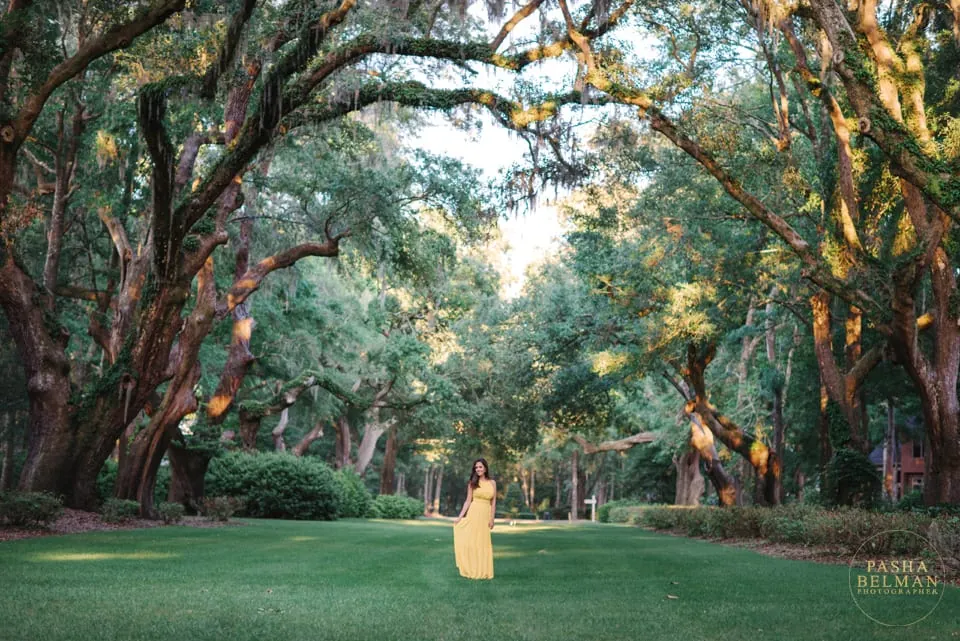
I built this to give you clarity instead of overwhelm. Senior year already carries big milestones and decisions, and your portraits should feel intentional, relaxed, and true to who you are. Everything here comes from photographing hundreds of high school seniors since 2010, not from repeating advice I read somewhere else. The principles apply the same way in Ohio, Texas, Georgia, or California as they do along the South Carolina coast, where every image on this page was made.
A few numbers that shape the advice below. I have worked with high school seniors for over 15 years and earned more than 275 five-star reviews in that time. Nearly all of my seniors choose a sunset session over a morning one. Most bring three outfits. And the majority tell me, at the start, that they hate having their picture taken. By the end, almost none of them still feel that way. That last pattern taught me more about photographing seniors than anything technical ever did.
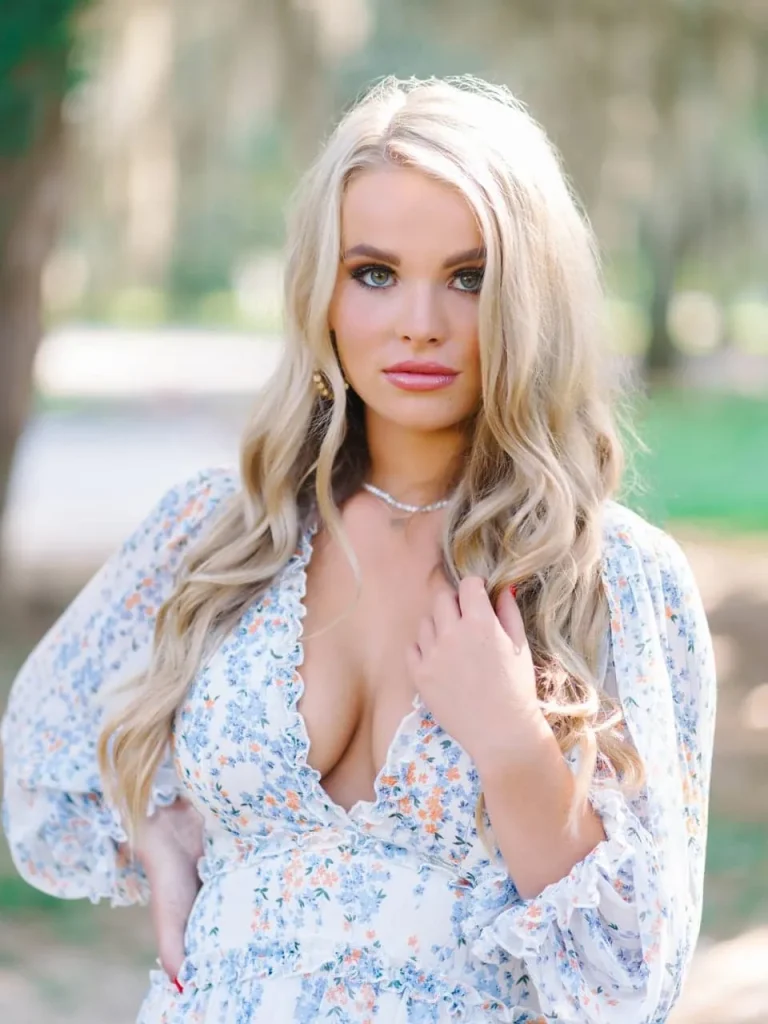
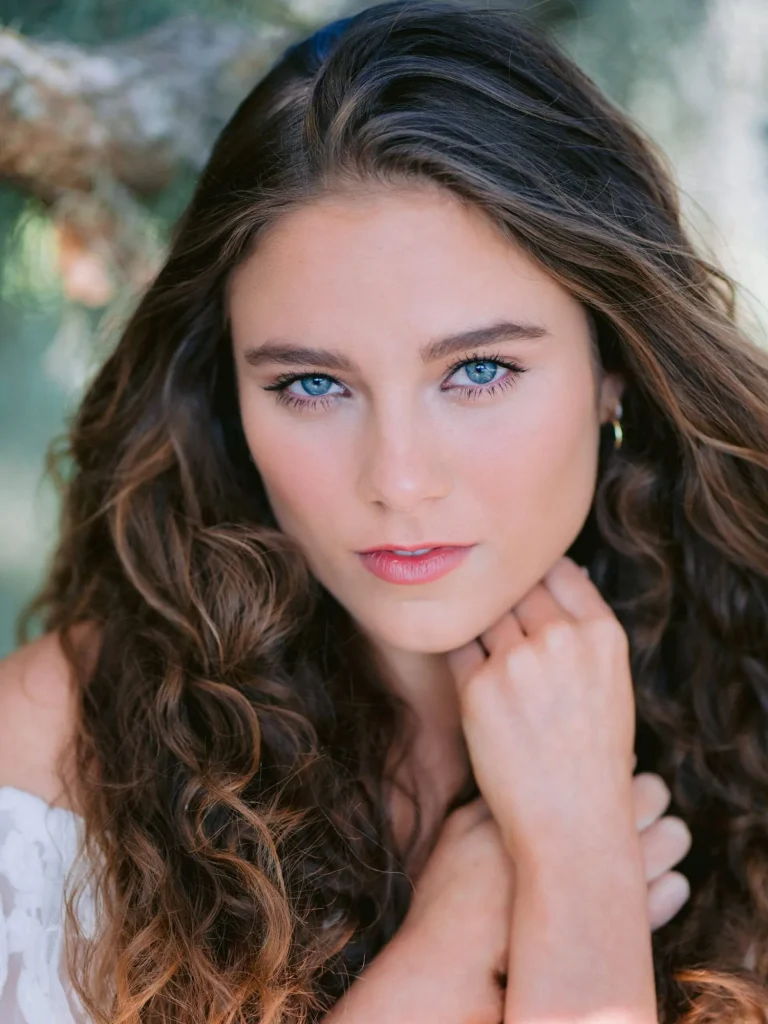
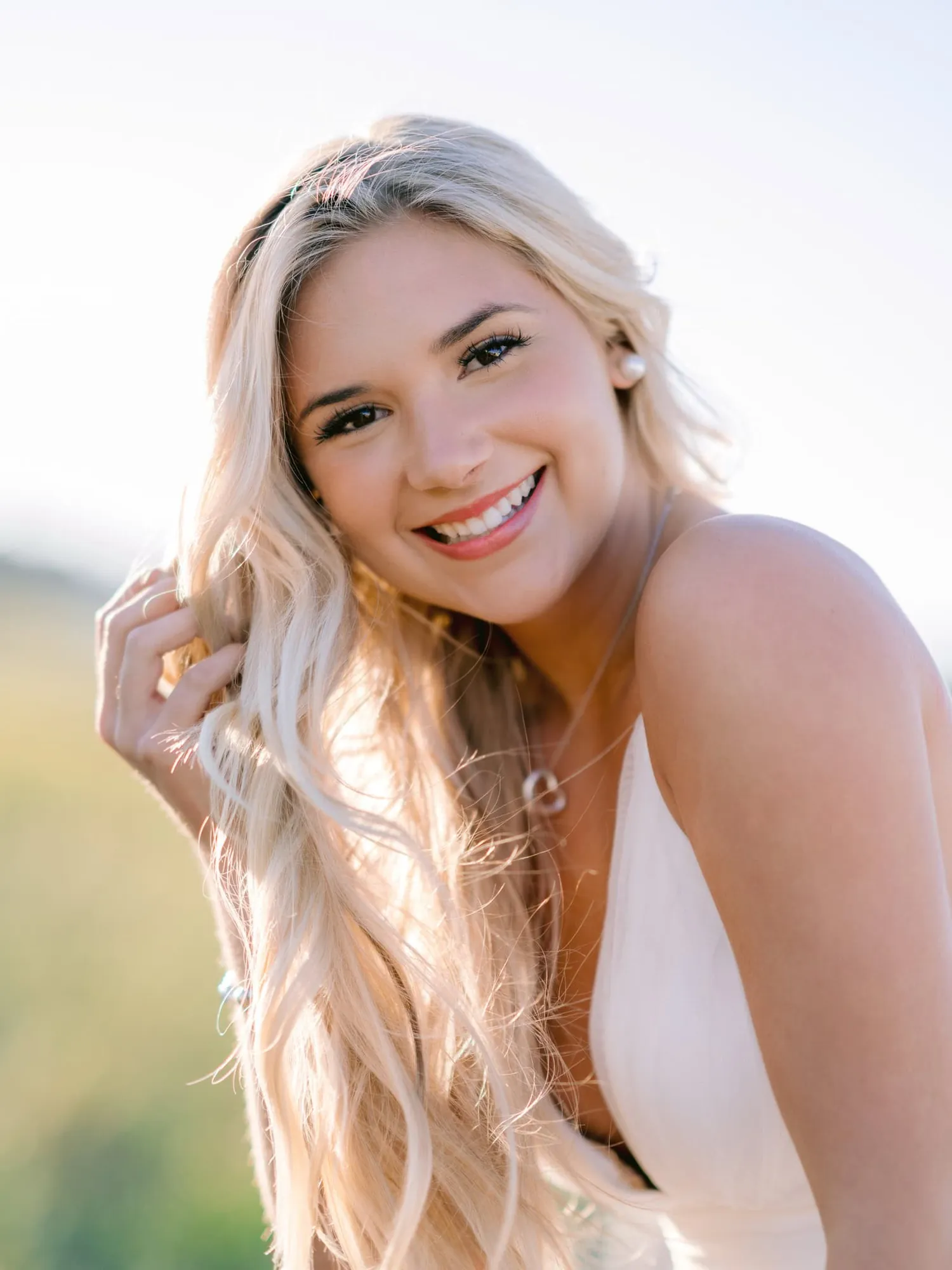
This guide is written for high school seniors and parents planning professional senior portraits anywhere in the country. The ideas apply to beach, outdoor, urban, lifestyle, and hometown sessions in any season. Photographs throughout were created in Myrtle Beach, Charleston, Pawleys Island, Kiawah Island, and along the South Carolina coast, and they show how these principles translate into real images.
Pasha Belman is recognized among the leading Myrtle Beach photographers, creating timeless imagery for weddings, families, and high school seniors since 2010. Every subject in this article is a real high school senior, not a paid model, and the work has been featured in Martha Stewart Weddings, Style Me Pretty, and Bridal Guide with more than 275 five-star reviews behind it. That experience shapes the guidance below, from how light behaves at golden hour to what actually makes a nervous senior relax.
Explore more work from our Myrtle Beach family photographers, view recent celebrations photographed by our Myrtle Beach wedding photographers, and see modern portrait sessions created by our Myrtle Beach senior photographers.
Why Senior Pictures Matter
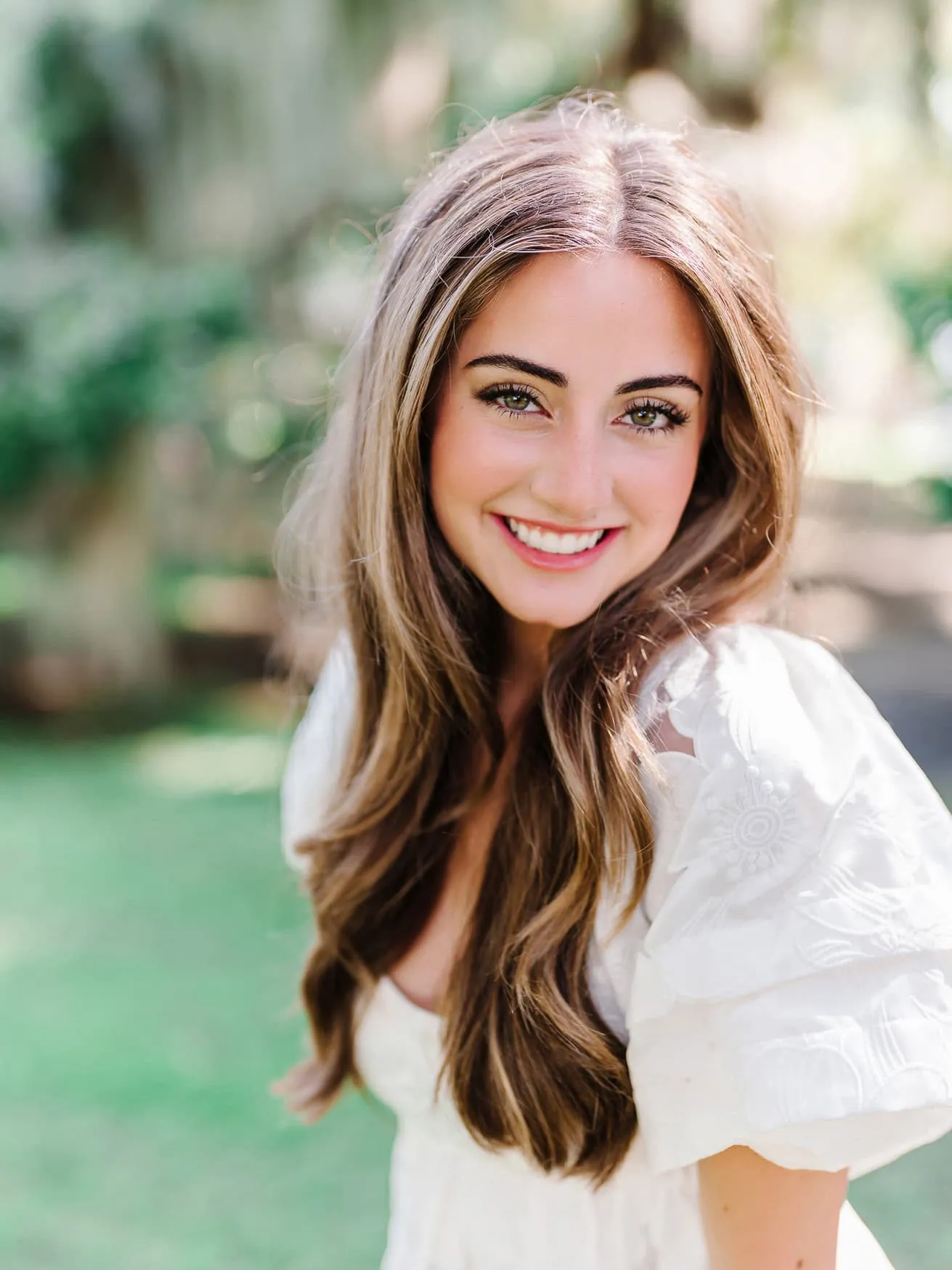
Senior pictures mark the end of childhood and the start of adulthood. That is why they carry weight that a phone snapshot never will. High school seniors today are surrounded by photography every day. Social media makes taking pictures feel routine and disposable. Professional senior portraits do the opposite. They slow the moment down and document a once-in-a-lifetime transition that you will want to look back on decades from now.
School headshots and cap-and-gown photos rarely reflect personality. They are made on an assembly line, in the same pose, under the same flat light as everyone else. A professional senior session gives you room to express your style, your interests, and your confidence. These portraits become the images your family frames, the pictures grandparents keep on the refrigerator, and the reference point you compare against years later when you barely recognize how young you were.
There is also a quieter reason they matter. Being photographed well is a confidence experience. Many seniors walk in unsure of themselves and walk out having seen proof, on the back of a camera, that they photograph beautifully. That shift stays with them.
Top Reasons to Book Professional Senior Portraits
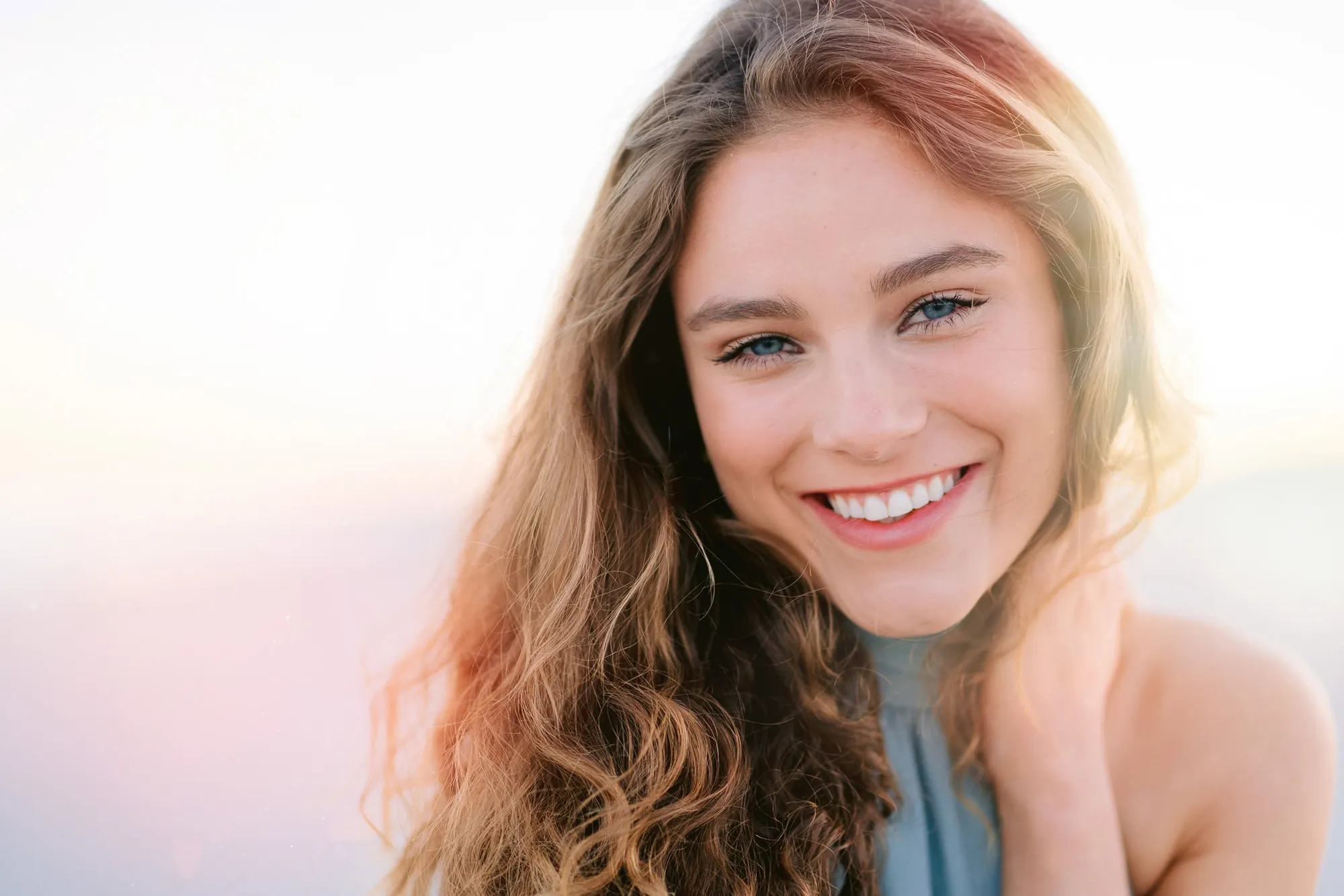
- Create timeless senior portraits that reflect who you are right now
- Celebrate years of hard work before graduation
- Showcase individual style and personality
- Build confidence in front of the camera
- Create meaningful family keepsakes
- Receive professionally guided posing from an experienced photographer
- Stand out with polished images
- Invest in artwork that lasts
A Complete Senior Picture Planning Guide
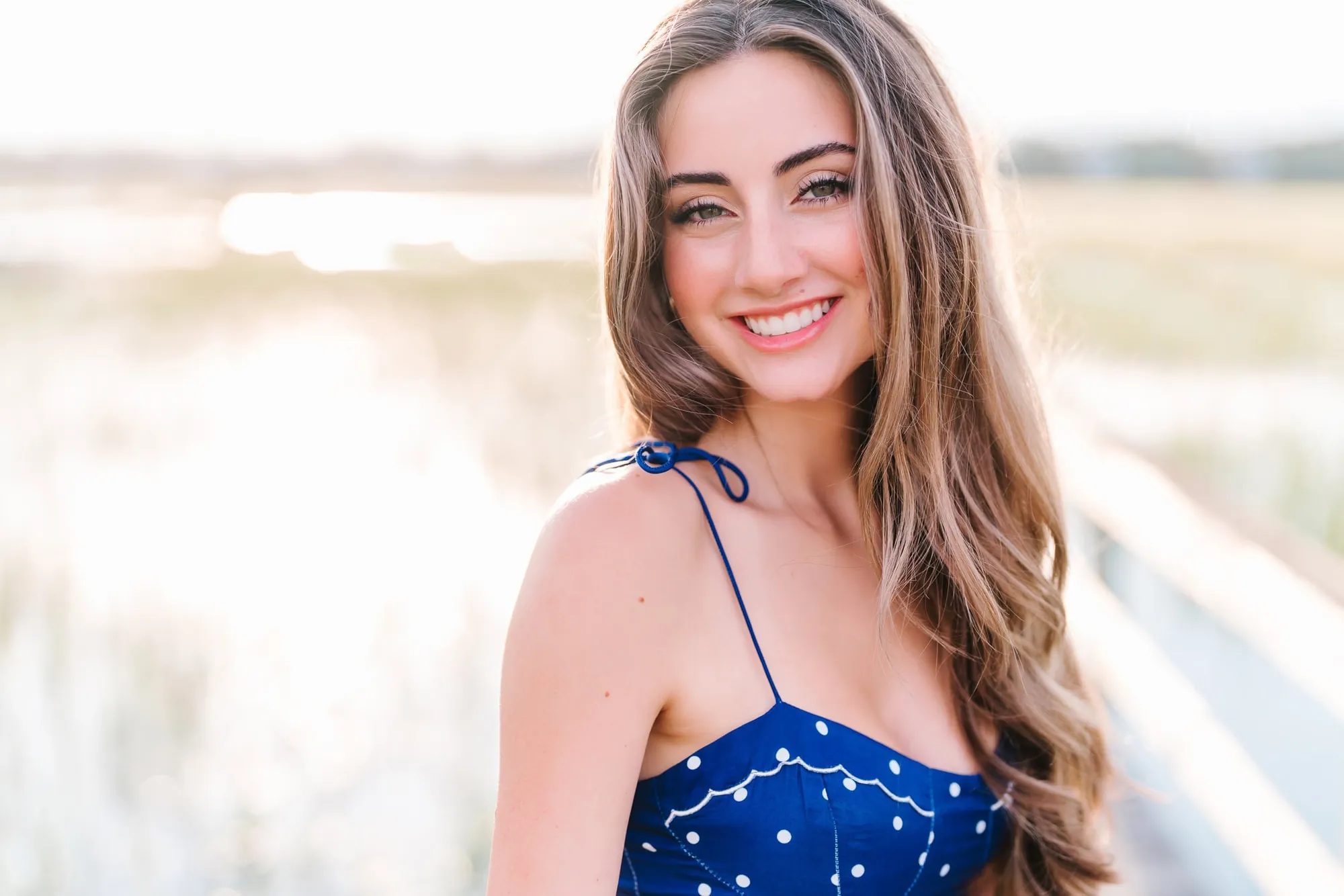
Great senior pictures are planned, not improvised. The best sessions come from a few decisions made in the right order, weeks ahead of the shoot. Start with the photographer, because the strongest ones book out months in advance, especially in spring and fall. Once your date is set, work backward through location, outfits, hair and makeup, and props.
A simple planning order that works every time: book the photographer, pick two or three outfits that fit the season and location, schedule hair and makeup if you want it, gather any meaningful props, and confirm the time of day for the best light. Give yourself margin. Buying an outfit the night before or trying a brand-new hairstyle the morning of the session is how good sessions become stressful ones.
Book earlier than you think you need to. Seniors who wait until the last weeks of summer often find that the golden-hour slots and the best fall dates are already gone. If your school has a yearbook photo deadline, work backward from that date and add a buffer for editing time, which usually runs two to four weeks depending on the photographer.
How to Prepare the Week Before Your Session
The week before matters more than most seniors realize. Get any haircut seven to ten days ahead, never the day before, so it has time to settle and look natural. Skip new skincare products, self-tanner experiments, and eyebrow waxing in the final days, since reactions and redness show up clearly on camera. Drink water, sleep well, and lay out every outfit on a hanger with shoes and accessories attached so nothing is missing on the morning of.
Try each outfit on fully before the session. Sit down in it, raise your arms, and walk in the shoes. Clothes that look great standing still in a mirror sometimes bunch, gap, or pull the moment you move. Steam or iron everything the night before. Wrinkles are one of the few things editing cannot fix cleanly.
Week Before Checklist
- Get any haircut seven to ten days out, never the day before
- Skip new skincare products, self-tanner, and eyebrow waxing in the final days
- Try on every outfit with movement and confirm the fit
- Steam or iron each look and hang it with shoes and accessories attached
- Book hair and makeup, or gather your own products
- Confirm the time, location, and meeting spot with your photographer
- Drink water and sleep well the last few nights
What to Bring to Your Senior Session
A small kit removes almost every on-location problem. Pack these before you leave.
- Every outfit on hangers, steamed, with matching shoes and accessories
- A brush or comb, hairspray, and bobby pins for wind and humidity
- Blotting papers or powder to control shine
- Lip color for touch-ups and a small mirror
- Clear nail file and a lint roller
- Water and a light snack, especially for evening sessions
- Any meaningful props, letterman jacket, instrument, sports gear, or diploma
- Flat comfortable shoes for walking between locations
Remove hair ties from your wrists and sock lines before you dress, since both leave marks that show for the first twenty minutes of shooting. If you wear a watch or bracelet daily, take it off in advance so there is no tan-line gap in bare-arm outfits.
Morning of Your Session Checklist
- Eat a real meal, since sessions run one to two hours
- Moisturize so skin looks healthy, not dry or oily
- Load every outfit, prop, and your touch-up kit into the car
- Take off your watch, hair tie, and tight socks before dressing
- Wear loose clothing to the session so you do not crease your first look
- Leave early and plan to arrive a few minutes before golden hour
- Bring one calm person, not a crowd
[Suggested Photo: flat lay of a senior session kit with outfits, shoes, and props laid out]
Best Senior Picture Location Ideas
Location sets the tone for the entire session. It shapes the color palette, the mood, and how much room you have to move. The best senior picture locations share three qualities. They have clean, uncluttered backgrounds, they carry personal meaning, and they give you space to move naturally instead of standing frozen in one spot. Most seniors choose two contrasting settings for variety, one natural and one urban, so their gallery holds different looks.
You do not need a famous backdrop. A tree-lined street, a downtown block, a field at the edge of town, or the coastline near where you grew up all work beautifully. What matters is light and meaning, not fame. One mistake I see every year is a senior chasing a location they saw online instead of one that means something to them. The meaningful spot always photographs better, because you relax the moment you get there. The location types below apply in every state, with South Carolina examples to show how each one photographs.
| Location | Mood | Best light | Great for | Watch out for |
|---|---|---|---|---|
| Beach or coastline | Relaxed, bright, timeless | The hour before sunset | Movement, flowing outfits, open horizons | Wind, midday glare, crowds |
| Field or countryside | Warm, natural, laid-back | The final hour of daylight | Golden backlight, earthy tones, texture | Bugs, uneven ground, allergies |
| Downtown or urban | Modern, confident, current | Open shade or just before sunset | Structured outfits, city-bound seniors | Harsh reflected light, busy backgrounds |
If I had to pick one for a first session, I choose the beach every time. The open light is forgiving, the movement feels natural, and nervous seniors relax faster near the water than anywhere else I shoot.
Urban and Downtown Senior Photos
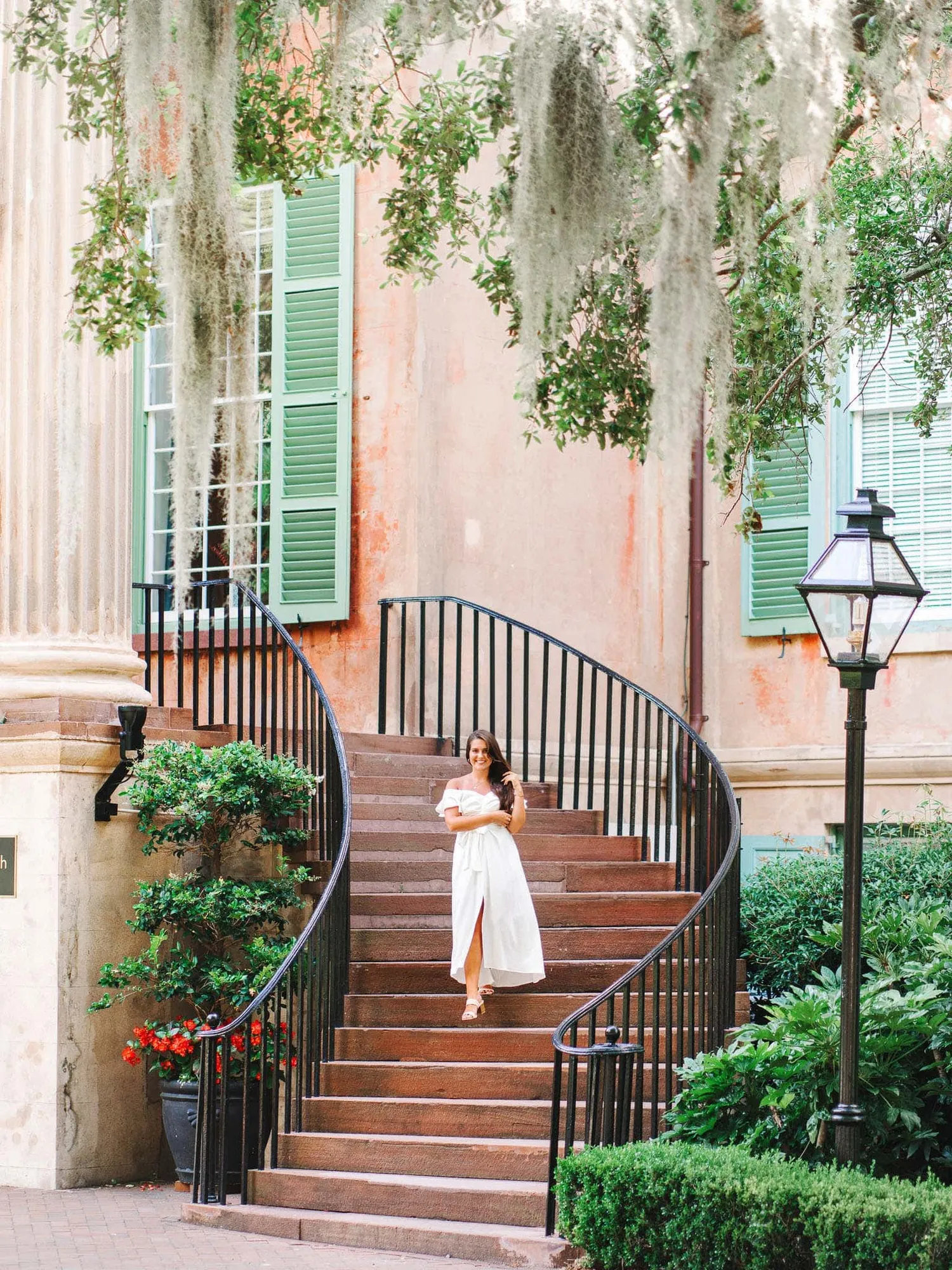
Urban locations add texture, contrast, and energy. Brick walls, painted murals, glass storefronts, and old architecture create modern images that feel confident and current. Downtown blocks in any city work, and historic districts like Charleston’s cobblestone streets or Conway’s riverfront give the same effect on the South Carolina coast. Seniors heading to a city for college often choose a downtown session to symbolize their next chapter. Shoot these in open shade or in the soft light near sunset, because midday sun bouncing off pavement and glass creates harsh shadows.
Senior Pictures in Parks or Gardens
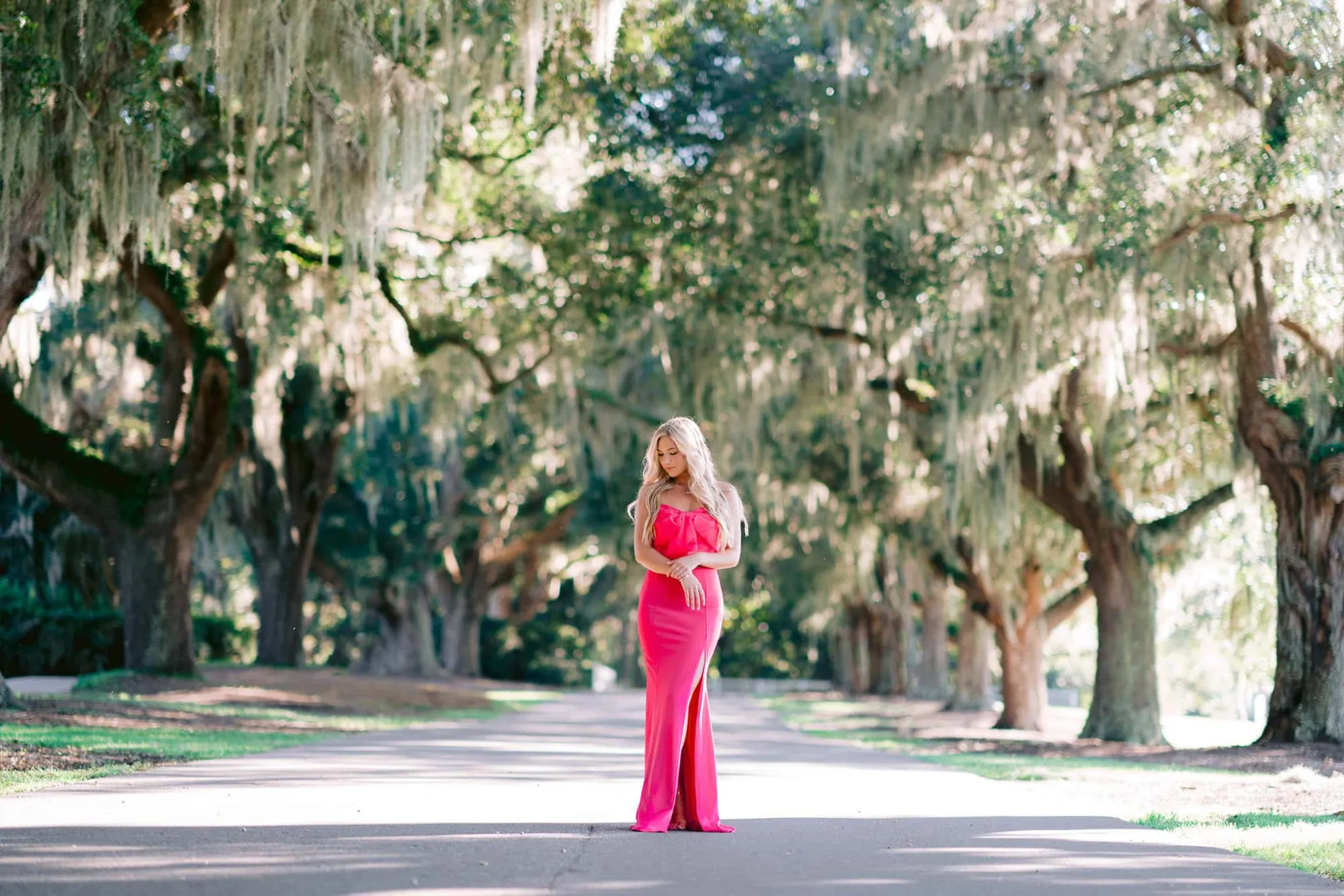
Parks and gardens offer soft greenery, seasonal color, and timeless scenery. They photograph well in almost any season and forgive a wide range of outfits. Botanical gardens, arboretums, and shaded park paths give you dappled light and layered backgrounds that make a subject stand out. On the Grand Strand, Brookgreen Gardens near Pawleys Island, Huntington Beach State Park, and Myrtle Beach State Park all deliver this. Look for open shade under a tree canopy, which acts like a giant softbox and keeps skin tones even.
Beach and Coastline Senior Photos
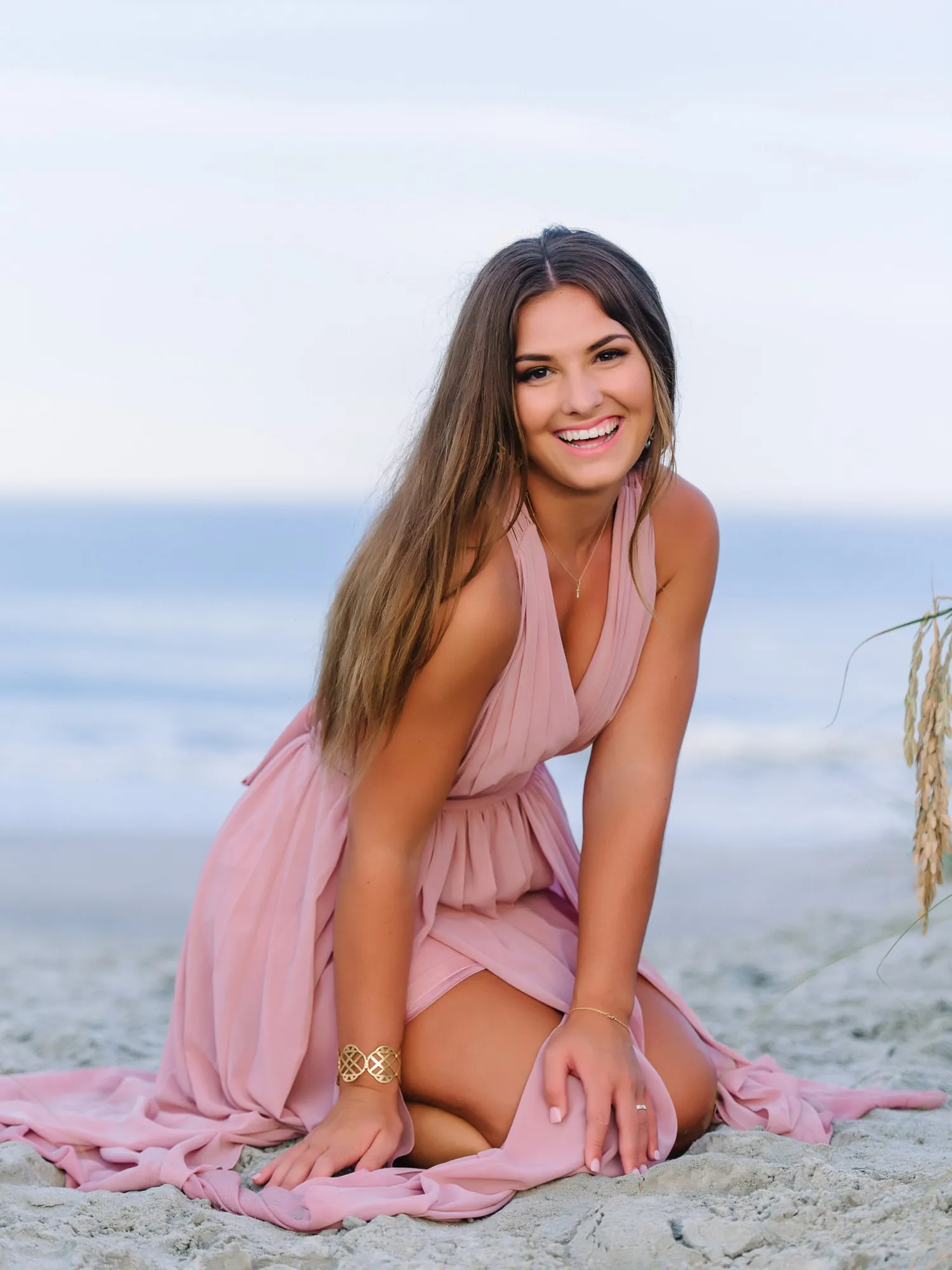
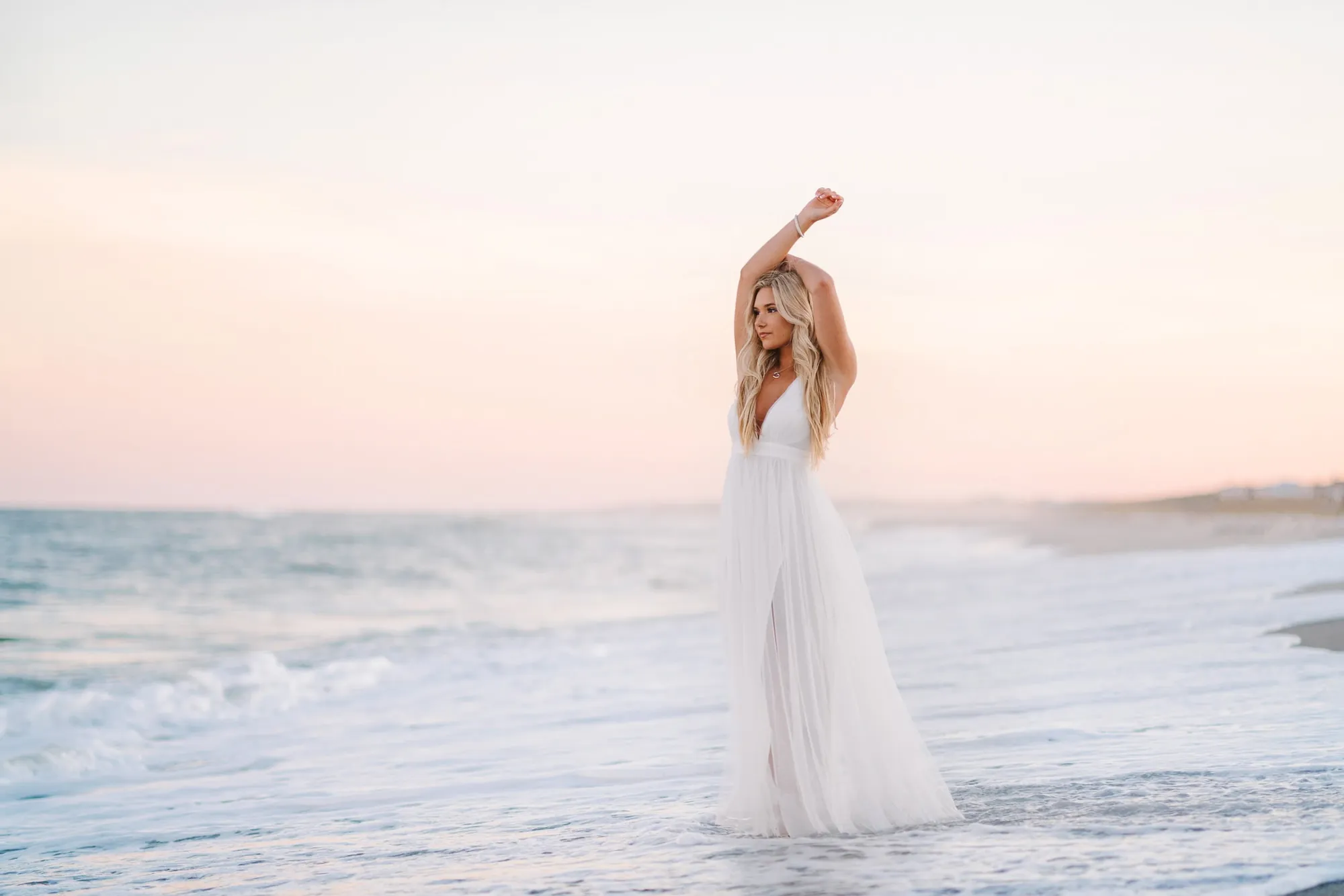
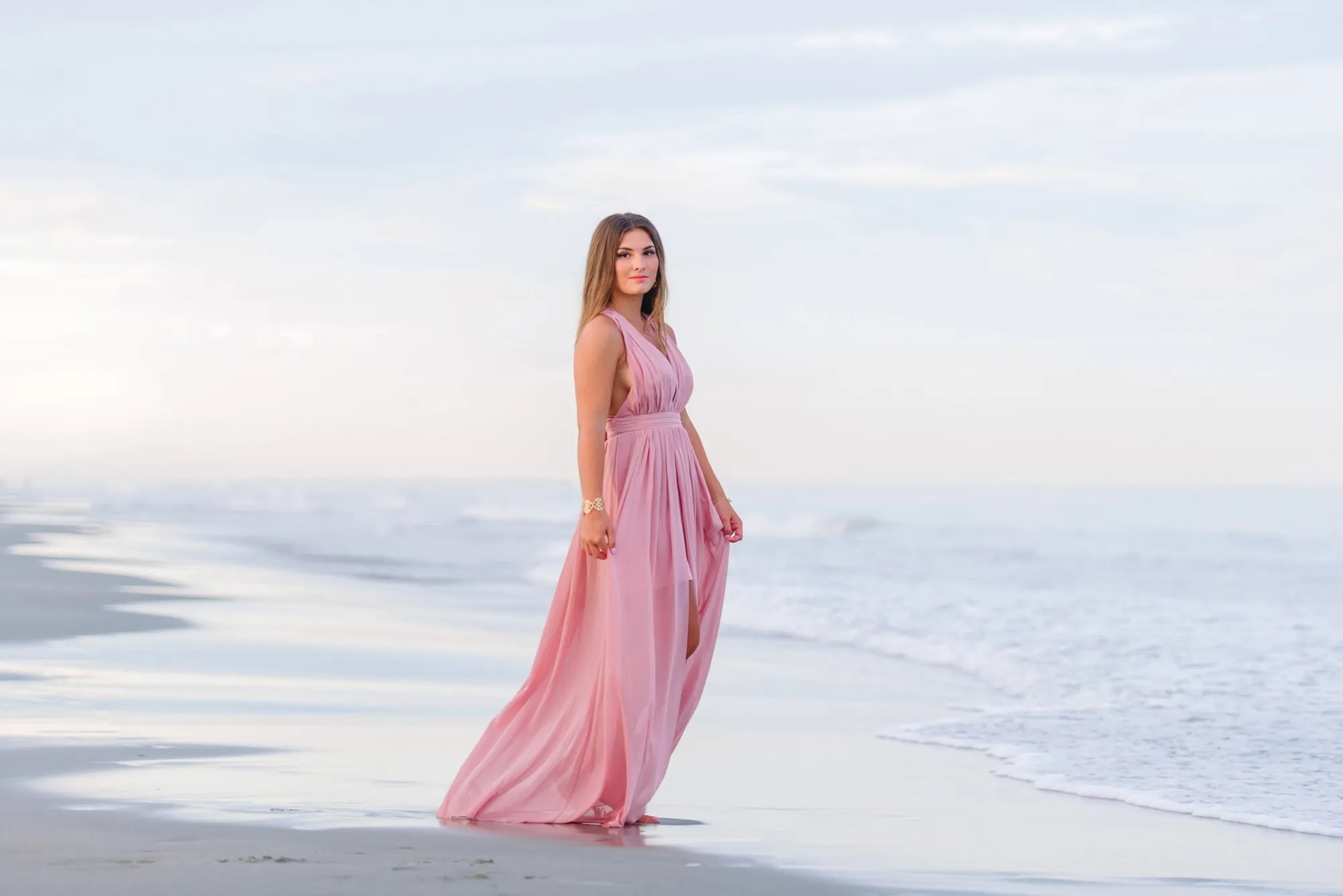
Beach senior pictures feel relaxed, bright, and timeless. Open shoreline gives you clean horizons, and the light near the water is naturally soft and flattering. Coastlines offer real variety, from sand dunes and tall sea grasses to wooden piers and open surf. Along the South Carolina coast that runs from North Myrtle Beach down through Pawleys Island and DeBordieu. Sunset beach sessions are the most popular choice everywhere for good reason, because the low golden light wraps around a subject and hides harsh shadows. If you live inland, a lake shoreline or river sandbar gives a similar open, airy feel.
Countryside and Rustic Senior Pictures
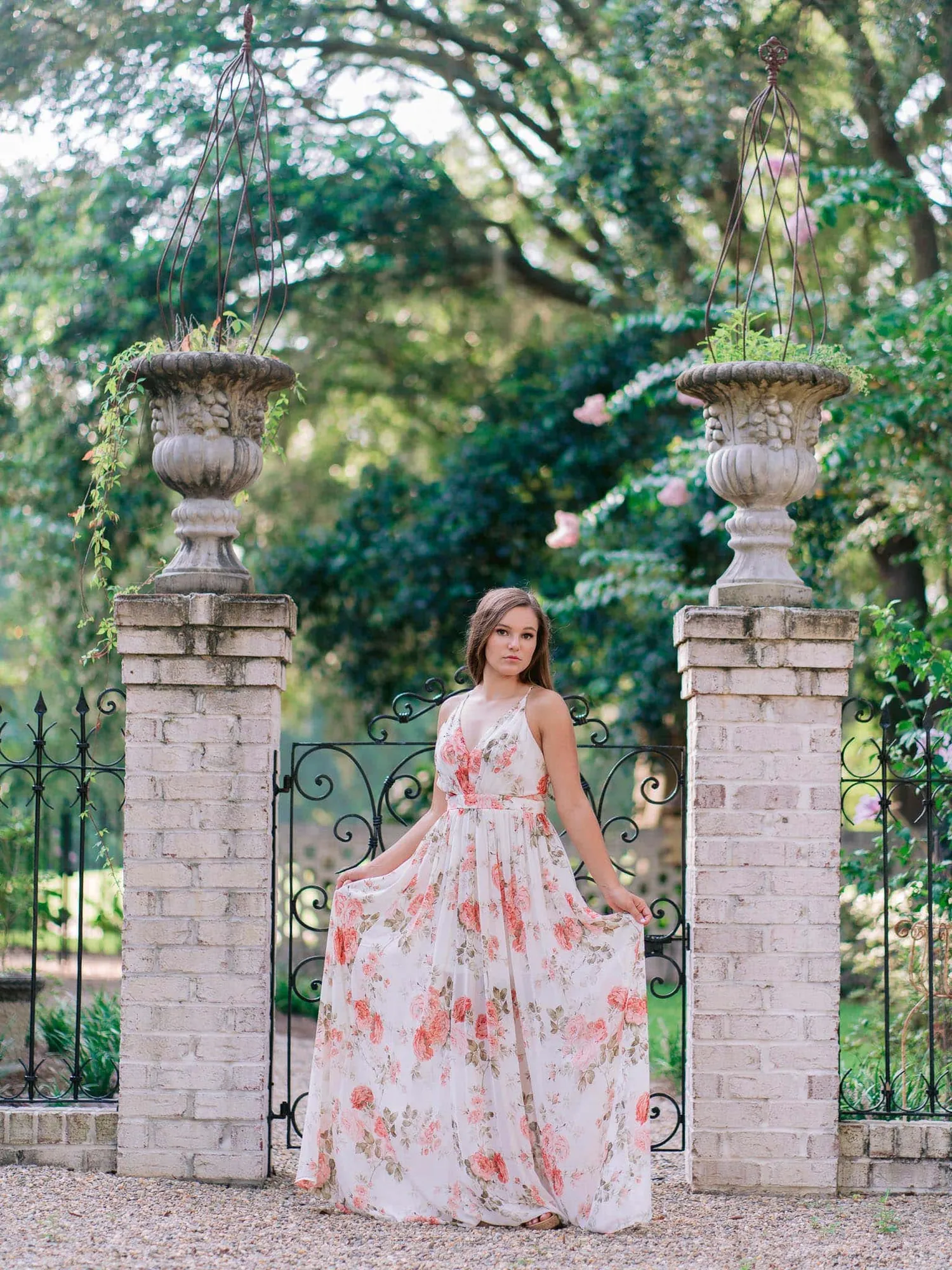
Rustic locations like open fields, barns, and countryside landscapes create an authentic, laid-back feel. Tall grass, golden wheat, wildflowers, and weathered wood photograph with warmth and texture. These settings suit seniors who grew up around open space, who love the outdoors, or who simply want something softer than an urban look. Fields glow best in the last hour of daylight, when the low sun lights the grass from behind and turns it gold. Watch for uneven, buggy, or overgrown ground, and wear something you can move through comfortably.
Sports Venue Senior Photos
Sports shape many seniors’ lives, and portraits at a field, court, track, or pool honor that dedication. Jerseys, equipment, and letterman jackets add instant personal meaning. An empty stadium at golden hour photographs far better than a busy one at noon, so ask your photographer to schedule around practice times. Bring both your uniform and a clean casual look, so the venue can serve as a backdrop for real senior portraits and not only action-style shots.
Senior Pictures by the Water
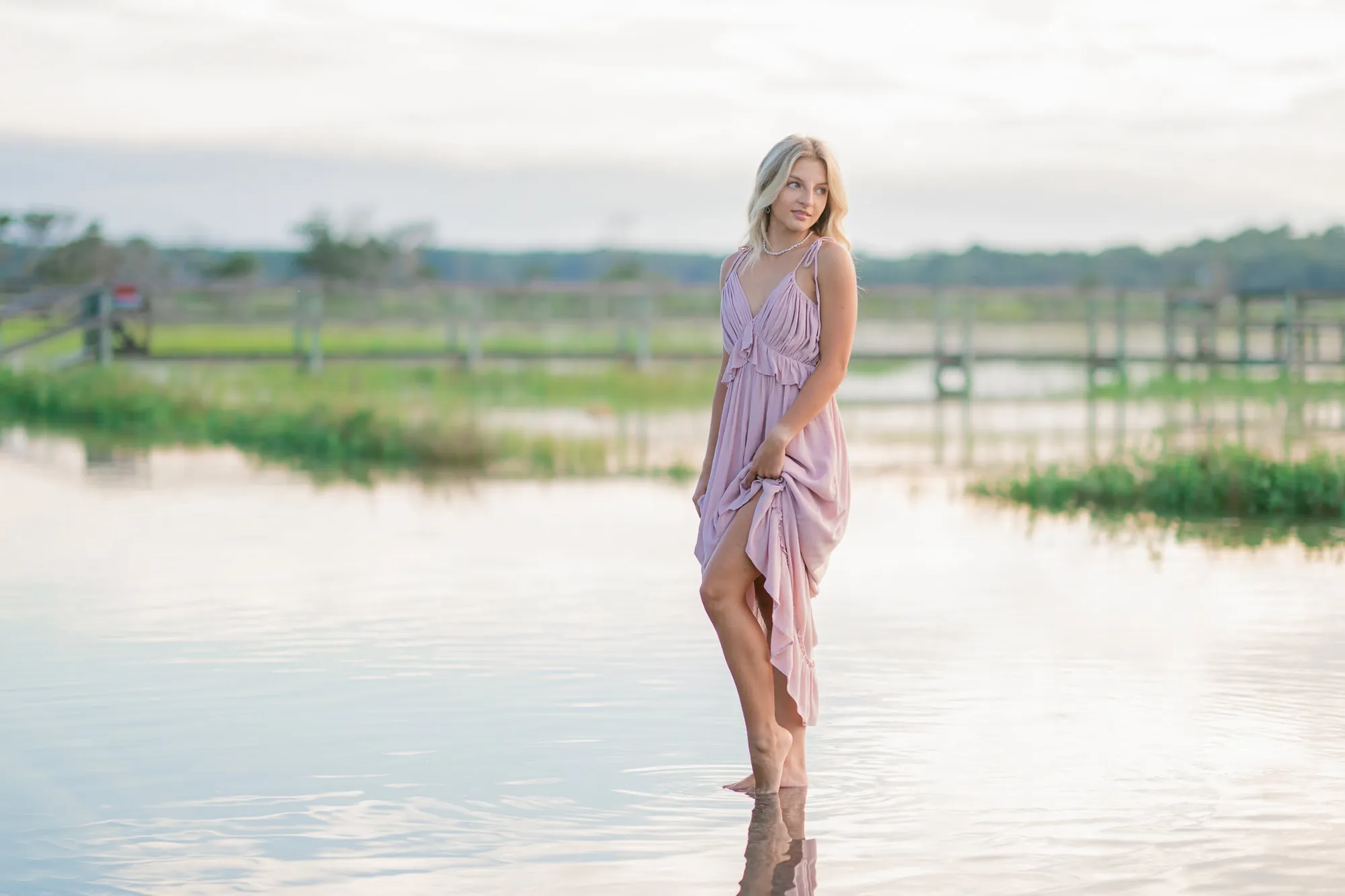
Lakes, rivers, marshes, and the intracoastal create peaceful backdrops with natural reflection and depth. On the South Carolina coast the Waccamaw River and coastal marshes near Myrtle Beach do this well, and any calm body of water near your hometown works the same way. These locations suit seniors who fish, boat, or simply feel at home near the water. Reflections double your light and add a mirror-like quality that makes portraits feel serene.
Senior Pictures with Your Dog
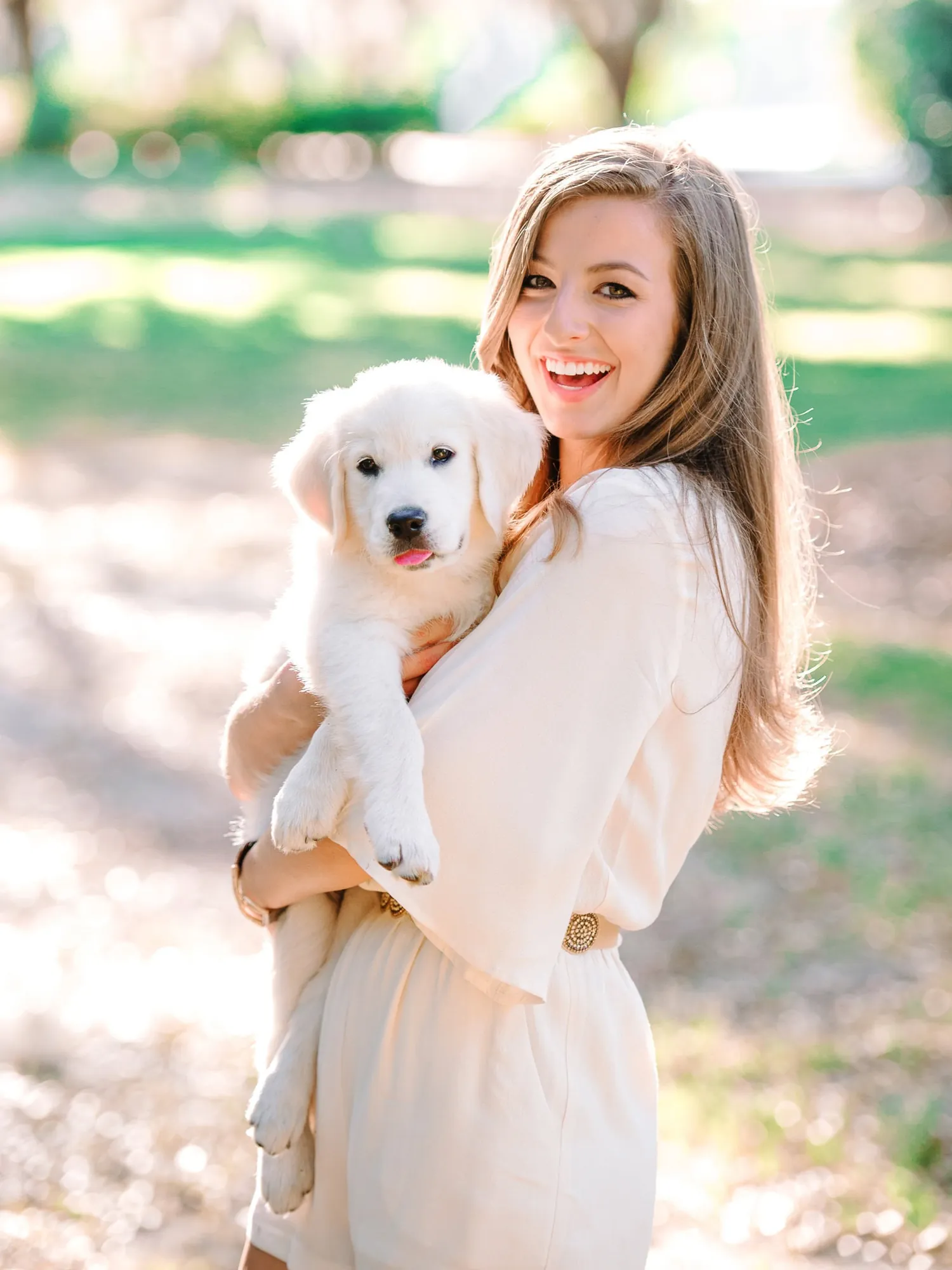
Including a dog adds personality and genuine emotion. The candid moments between a senior and their pet often become the favorite images in the whole gallery. Bring a second person to hold and reward the dog between shots, pack treats and a familiar toy, and plan for your pet to appear in only part of the session so you still get clean solo portraits. A tired dog behaves better, so a walk beforehand helps.
Senior Pictures with Family or Friends
Adding family or close friends to part of a session creates portraits that reflect the relationships built through high school. Parents often want a few images with their senior, and those become keepsakes the whole family treasures. Keep group looks coordinated in the same color family so no one competes with the senior, and save these for the end so the solo portraits stay the focus.
Sports, Hobby, and Passion Portraits
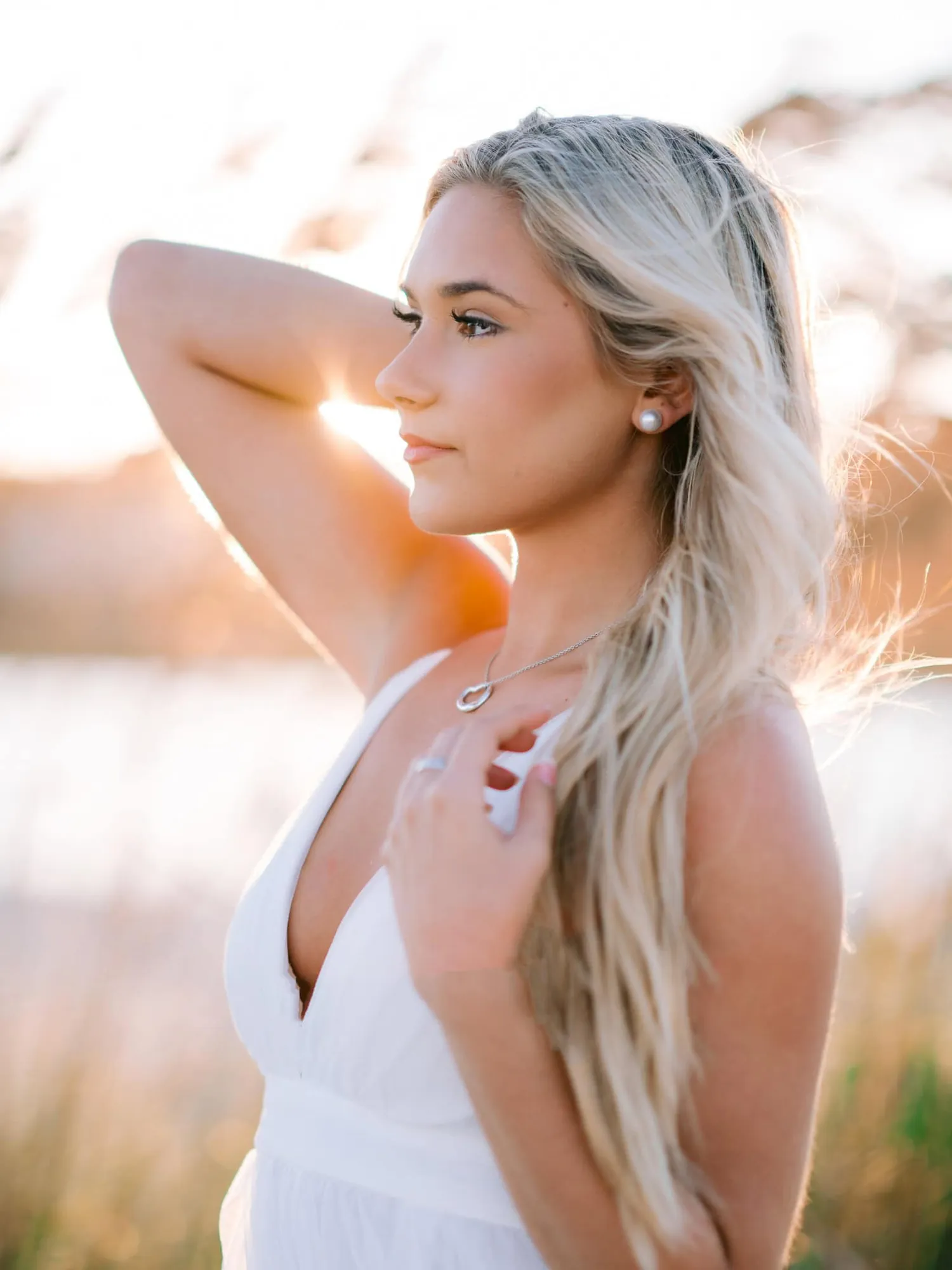
The strongest senior galleries say something about who the person is. Building part of the session around a passion turns a nice portrait into a personal one. Think about what you would be doing on a free afternoon, then bring it into the shoot.
Athletes can pose with the ball, bat, racket, or gear that defines their sport, in uniform for authenticity and in casual clothes for range. Musicians photograph beautifully with their instrument, whether that is a guitar at sunset, a violin in a garden, or a senior at a piano. Artists, dancers, gamers, bakers, mechanics, and hunters can all fold their craft into the session with a prop or setting that shows it. The goal is not a staged action shot. It is a real portrait of you, holding the thing you love.
A useful test: if a stranger saw the photo in twenty years, would it tell them one true thing about you. If yes, the prop earns its place. If it is only there to fill the frame, leave it out.
[Suggested Photo: senior playing guitar at sunset on the beach]
Cars, Trucks, Horses, and Other Personal Touches
Some of the most memorable senior portraits include a first car, a family truck, or a horse. A vehicle a senior saved for and worked on carries real meaning, and it makes a striking backdrop when the light hits the paint at golden hour. Clean and detail it beforehand, and choose a simple setting so the car complements the portrait instead of overwhelming it.
Horse sessions bring elegance and a deep personal connection for seniors who ride. Photograph these at a familiar barn or pasture where the horse is calm, keep a handler nearby, and allow extra time, since animals set their own pace. The same patience applies to any beloved pet, from a cat to a horse to a barn full of goats. These images almost always become family favorites because the bond is real and it shows.
[Suggested Photo: senior leaning against a classic truck in a field at golden hour]
Cap and Gown Senior Portraits
Cap and gown portraits are worth doing well, because school-provided versions rarely flatter anyone. A short cap-and-gown set at the end of a real session gives you polished graduation images with proper light and posing. Steam the gown the night before, since it ships heavily creased. Set the cap back off the forehead at a slight angle so it frames the face instead of shadowing the eyes. Many seniors pair the gown with a diploma cover, class year sign, or their future college colors for a forward-looking image that marks the decision as much as the graduation.
What to Wear for Senior Pictures
What you wear plays a major role in how your portraits look and feel. The best outfits photograph cleanly, fit well, and reflect your personal style without overpowering the image. Fit beats brand every time. A simple top that fits your shoulders and waist will always photograph better than a trendy piece that gaps or bunches. If I could give every senior one piece of advice about outfits, it would be this: wear the thing that makes you feel like yourself, then make sure it fits. Everything else is secondary.
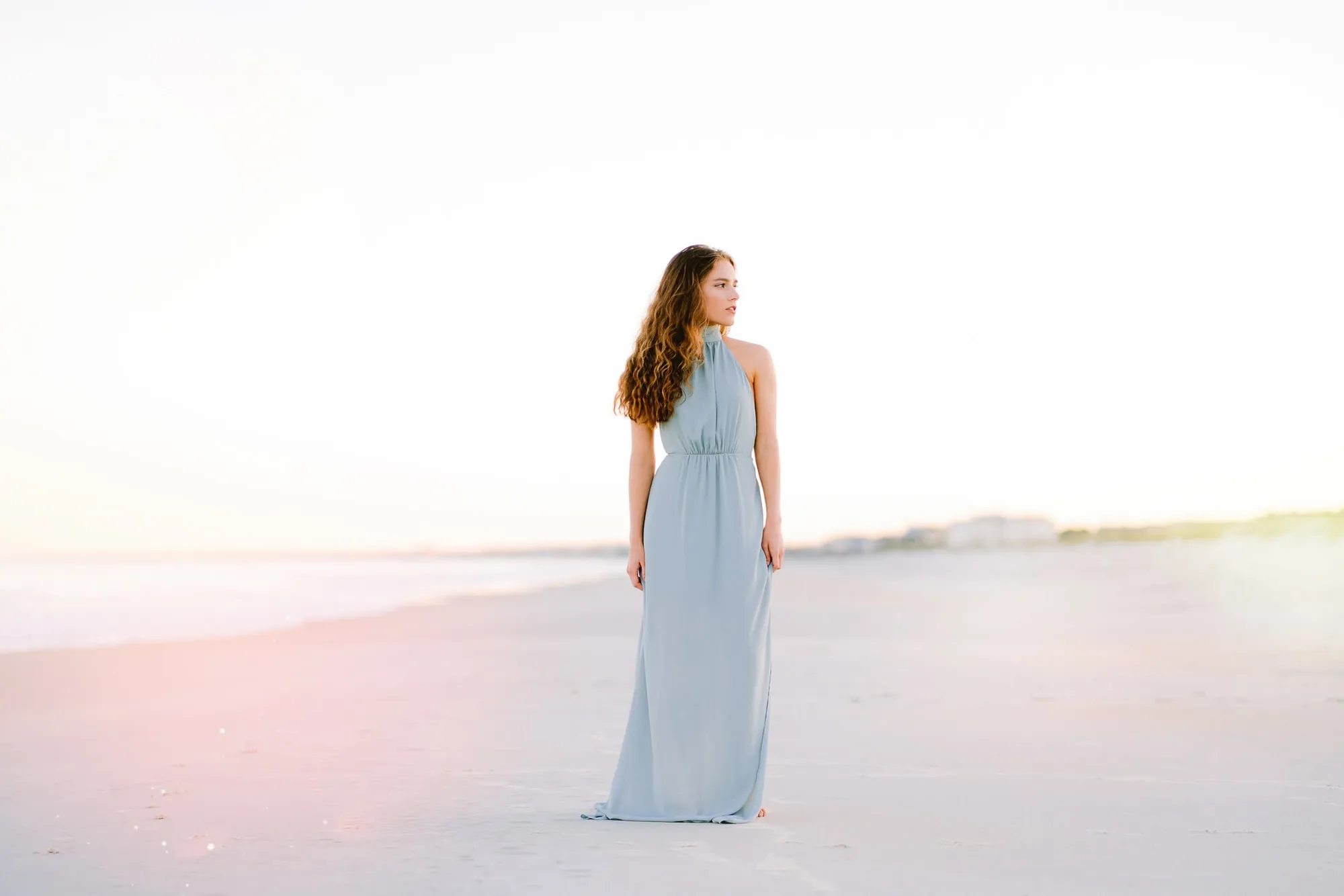
Bring two or three outfits that cover a range. One dressy or elevated look, one casual look that feels like your everyday self, and one that reflects the season or location. Think about comfort and movement. Clothing you can walk, sit, and reach in helps you relax, and relaxed body language is what makes a portrait look natural. Coordinate outfits to your setting, soft and flowing for the beach, structured and layered for downtown, warm textures for fall fields.
| One outfit | Three outfits | |
|---|---|---|
| Variety | Single consistent look | Dressy, casual, and seasonal range |
| Pace | More time to shoot each pose | Faster, with time spent changing |
| Best for | Quick sessions, decisive seniors | Most seniors who want gallery variety |
| My take | Fine, but limits the final gallery | The sweet spot for nearly everyone |
If I had to choose one, I would pick three outfits every time. It gives families far more variety without making the session feel rushed.
Senior Picture Outfit Ideas for Girls
- Flowy dresses in soft fabrics that catch movement and light
- Jumpsuits for a modern, confident look
- Skirts paired with fitted tops for variety across multiple looks
- Well-fitted jeans with a structured jacket for downtown sessions
- A classic dress in a solid color for a timeless, elevated image
- Accessories such as hats or simple jewelry to add personality
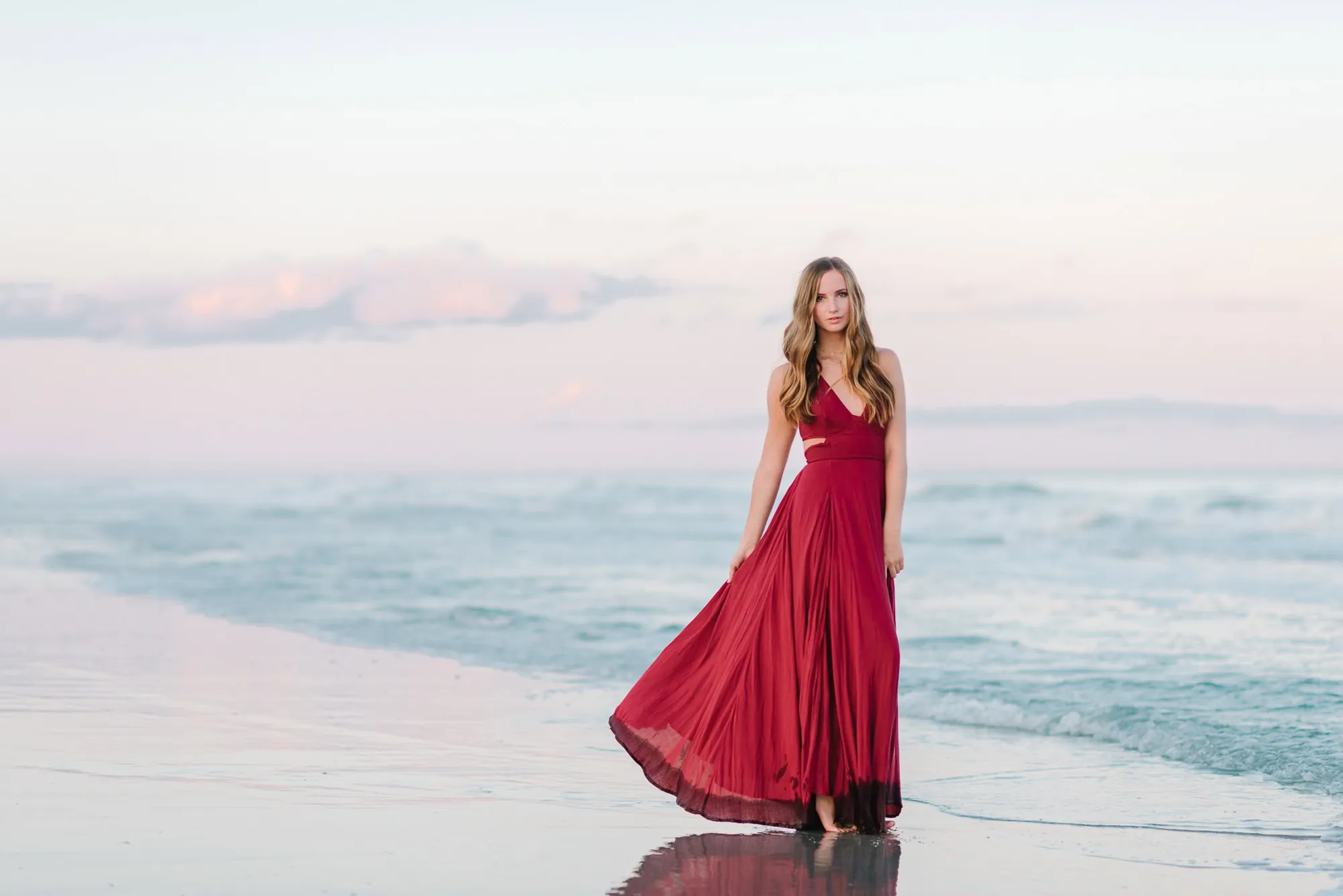
Length and movement are your friends. A dress with a hem that moves in the wind gives a photographer something to work with, and even a small twirl or walk turns a static pose into a dynamic frame. Keep necklines and hemlines somewhere you feel confident sitting and moving in, so you are never adjusting mid-session.
Senior Picture Outfit Ideas for Guys
- Well-fitted slacks with a clean button-down shirt
- A blazer layered over a simple shirt for downtown or dressier looks
- Neutral sweaters paired with khakis for relaxed outdoor portraits
- Solid-color shirts with fitted jeans for timeless casual style
- A henley or quarter-zip for an easy, current everyday look
Fit is everything for guys. A shirt tailored at the shoulders and a pant hem that breaks cleanly at the shoe photograph sharp and put-together, while baggy or oversized pieces read sloppy on camera. Layers add range without extra outfits, so a jacket you can add or remove effectively gives you two looks in one setting. Fresh, clean shoes finish the frame more than most seniors expect.
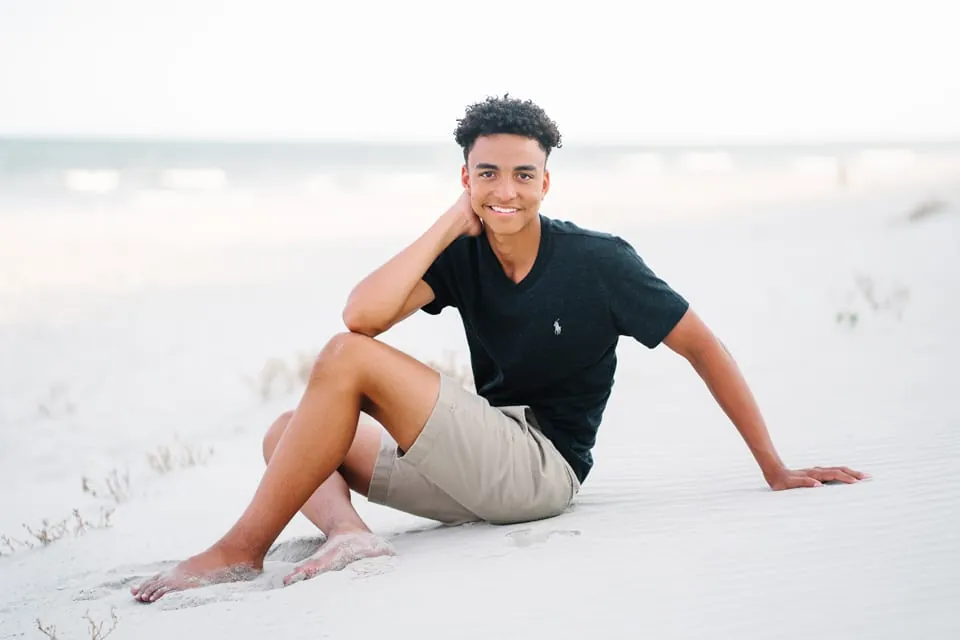
Colors That Photograph Best
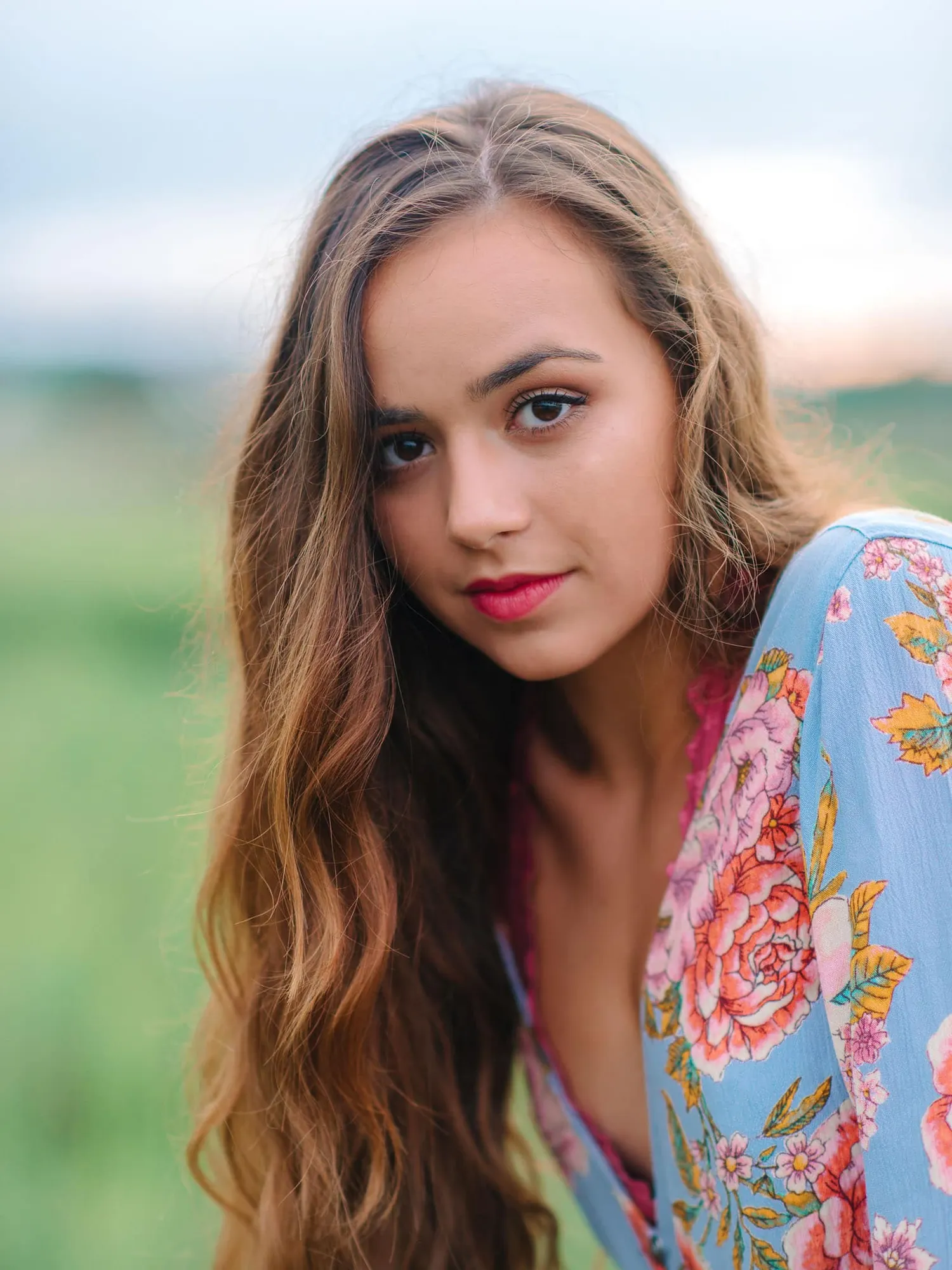
Color choice quietly makes or breaks an outfit on camera. Soft neutrals and muted tones photograph best in almost every setting, because they keep attention on your face. Cream, tan, sage, dusty blue, soft rust, olive, and charcoal all flatter a wide range of skin tones and never date the image. Deep jewel tones like burgundy and forest green work beautifully in fall and winter.
Match your palette to your location. Earthy tones sing in fields and gardens, soft coastal colors suit the beach, and richer or moodier tones anchor an urban session. Bright, saturated colors reflect onto skin and can cast an unnatural tint, so use them sparingly. When photographing with family or friends, choose one palette and let everyone pull from it, rather than everyone matching in identical shirts.
Fabrics That Photograph Well
Lightweight fabrics like chiffon, satin, organza, linen, and cotton photograph beautifully because they create soft movement. These materials respond to a breeze and to walking poses, which adds life to outdoor images. Fabrics with body and drape catch light in a way that flat, stiff material cannot. Avoid clingy, shiny synthetics that highlight every line, and steer clear of anything sheer that turns unpredictable in bright light.
Texture adds richness. Knit sweaters, corduroy, denim, and linen give a portrait depth that a plain smooth surface does not. If you want your outfit to feel elevated, combine one textured piece with one clean solid, and the contrast reads well on camera.
What Not to Wear for Senior Pictures
Avoid neon colors, large logos, oversized clothing, and busy patterns. These distract from your face and can throw unwanted color onto skin tones in bright light. Tiny repeating patterns and thin stripes sometimes create a shimmering effect on camera that is hard to correct. Skip trendy pieces you will cringe at in five years, and skip brand-new shoes that leave you walking stiffly. Clean, well-fitted, timeless styles photograph best and keep the focus on you.
Shoes, Accessories, and Jewelry
Details finish the look. Shoes should match the outfit’s formality and stay clean, since scuffed or mismatched shoes pull the eye in full-length shots. On the beach, bare feet often look best, so plan an outfit that works without shoes. Accessories work when they add personality without stealing focus. A hat, a watch, a belt, or a jacket can define a look, while too many pieces at once clutter the frame.
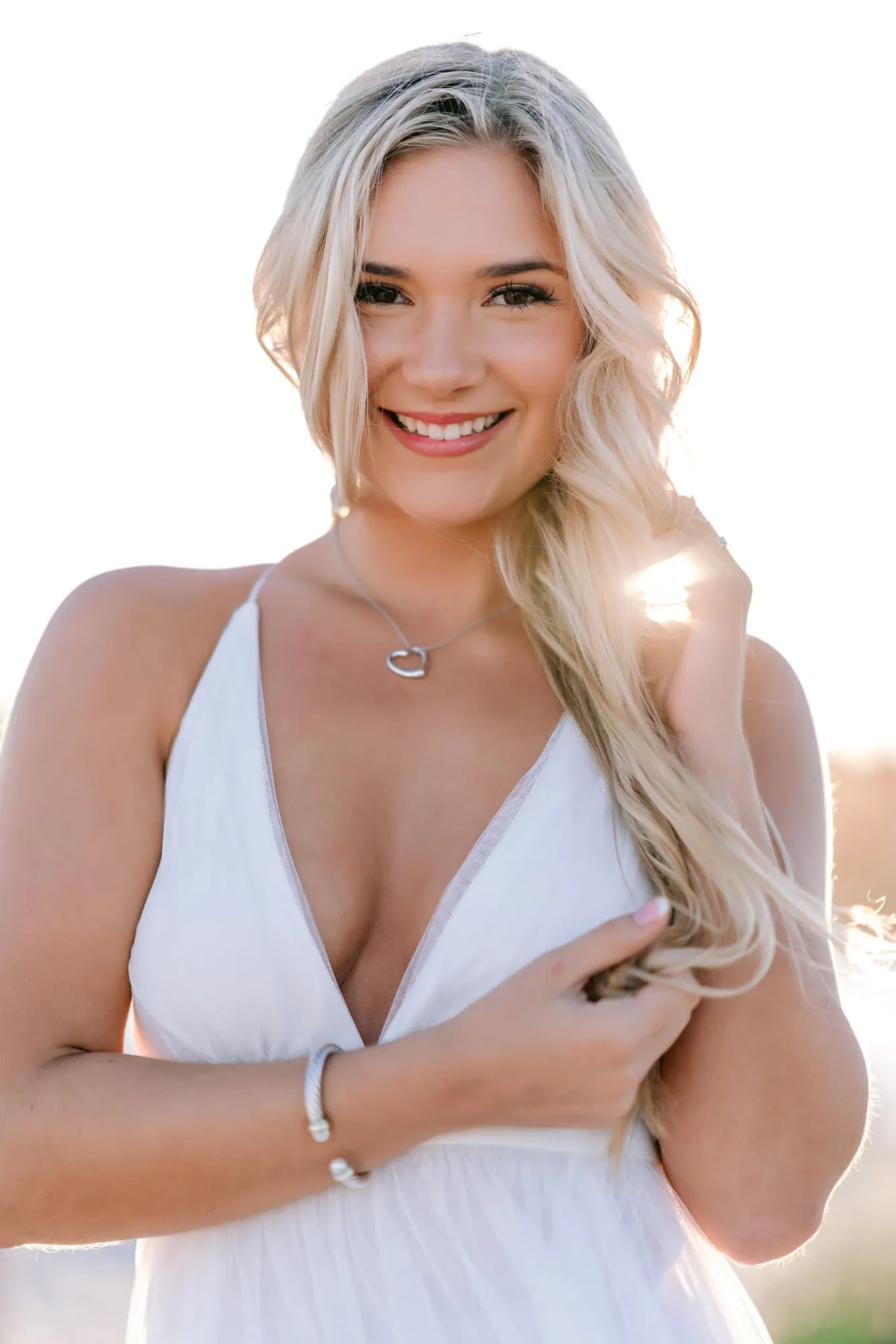
Keep jewelry simple and intentional. Delicate necklaces, small earrings, and a single meaningful piece photograph better than layered statement jewelry that competes with your face. If a piece has personal meaning, a grandmother’s ring or a team pendant, wear it, because that story is worth capturing.
Hair, Makeup, and Skincare Before Your Session
Hair and makeup should enhance your natural features, not mask them. The goal is to look like the best version of yourself, so that years from now the portrait still looks like you. Professional hair and makeup is worth considering, because artists who shoot for camera know how to balance coverage and shine under natural light. If you do your own, apply a little heavier than daily wear, since cameras soften makeup, but stop well short of a full going-out look.
| Professional makeup | Doing your own | |
|---|---|---|
| Finish on camera | Balanced for light and shine | Good with practice and the right products |
| Cost | An added expense | Free |
| Best for | A polished, worry-free look | Seniors who know their own face well |
| Key tip | Book an artist who shoots for photo | Go matte, neutral, and slightly heavier than usual |
If I am being honest, professional makeup is worth it for most seniors. Not because you cannot do your own, but because it removes one more thing to think about, so you walk in relaxed and ready.
Makeup tips for your session:
- Use lightweight foundation and matte powder to reduce shine, especially in humidity
- Stick with neutral tones for eyes and cheeks
- Choose matte or satin lip colors instead of heavy gloss
- Avoid foundation and powder with SPF, which can flash white in photos
Hairstyling tips for your session:
- Wear your hair in a style that feels natural and comfortable
- Loose waves or soft curls add volume and shape
- Use minimal product to avoid stiffness
- Bring anti-frizz product and a brush for touch-ups outdoors
- Skip a brand-new cut or color in the final days before the shoot
Skincare in the weeks before. Clear skin starts before the session, not during editing. Hydrate, sleep, and keep your normal routine. Do not try new products in the two weeks before, since breakouts and irritation are common reactions. A professional will always retouch a temporary blemish, so a stress pimple is nothing to worry about. Exfoliate gently a few days ahead for smooth, even texture, and moisturize the morning of so skin looks healthy rather than dry or oily.
Glasses or contacts. If you wear glasses every day, keep them for at least part of the session, because they are part of how people know you. Ask an optician for anti-glare lenses or borrow empty frames to avoid reflections. If you switch between glasses and contacts, do both looks for variety.
Spray tan and nails. If you want a spray tan, get it three to five days before so it settles into a natural tone, and always do a test run first. A streaky or too-dark tan is difficult to correct and looks unnatural on camera. For nails, a clean neutral or classic color photographs best, since hands appear in many poses. Chipped polish is distracting, so refresh or remove it beforehand.
Best Time of Year for Senior Pictures
The best time of year depends on your style, your location, and your yearbook deadline. Most seniors photograph in summer or fall, but every season offers something. Warmer climates allow beautiful sessions year-round, while northern states shift with the calendar. Each season brings its own light, color, and wardrobe, so choose the one that matches the look you want.
Summer feels bright and relaxed, fall brings warmth and rich color, winter offers a clean cinematic look with fewer crowds, and spring symbolizes new beginnings with blooming greenery. If your school sets a fall yearbook deadline, plan a summer session so your images are ready in time. If you want fall color, book early, because it is the most requested season and the best photographers fill quickly.
| Season | Look and feel | Wardrobe | Best for |
|---|---|---|---|
| Summer | Bright, warm, long golden evenings | Light, breathable fabrics | Beaches, fields, fall yearbook deadlines |
| Fall | Rich color, comfortable temperatures | Sweaters, jackets, earthy tones | Layered looks, the most-requested season |
| Winter | Clean, calm, cinematic | Coats, neutrals, deep jewel tones | Empty locations, dramatic skies |
| Spring | Fresh, soft, blooming | Pastels, light layers | New-beginning imagery, graduation announcements |
If I had to choose a single season, it would be fall. The light turns warm, the crowds thin out, and the color does half the work for you. Just book it early, because fall fills first.
Summer Senior Picture Ideas
Summer is the most popular season for senior portraits thanks to long evenings and spectacular golden-hour light. Beaches, open fields, and casual outfits all work well in warm weather. The main challenge is heat and humidity, so schedule for the last hour before sunset when temperatures drop and light softens. Bring blotting papers and water, and choose breathable fabrics that keep you comfortable and looking fresh. Along the South Carolina coast, evenings at Myrtle Beach State Park, Garden City, and Pawleys Island shine in summer.
Fall Senior Portrait Ideas
Fall senior portraits feature warm tones, layered outfits, and rich color palettes. Cooler temperatures make longer sessions comfortable, and changing foliage adds natural depth. This is the ideal season for sweaters, jackets, boots, and earthy colors that complement the landscape. Fall books out fast everywhere, so reserve your date well ahead. On the South Carolina coast the crowds thin and the light warms, giving relaxed sessions from the Grand Strand down toward Charleston.
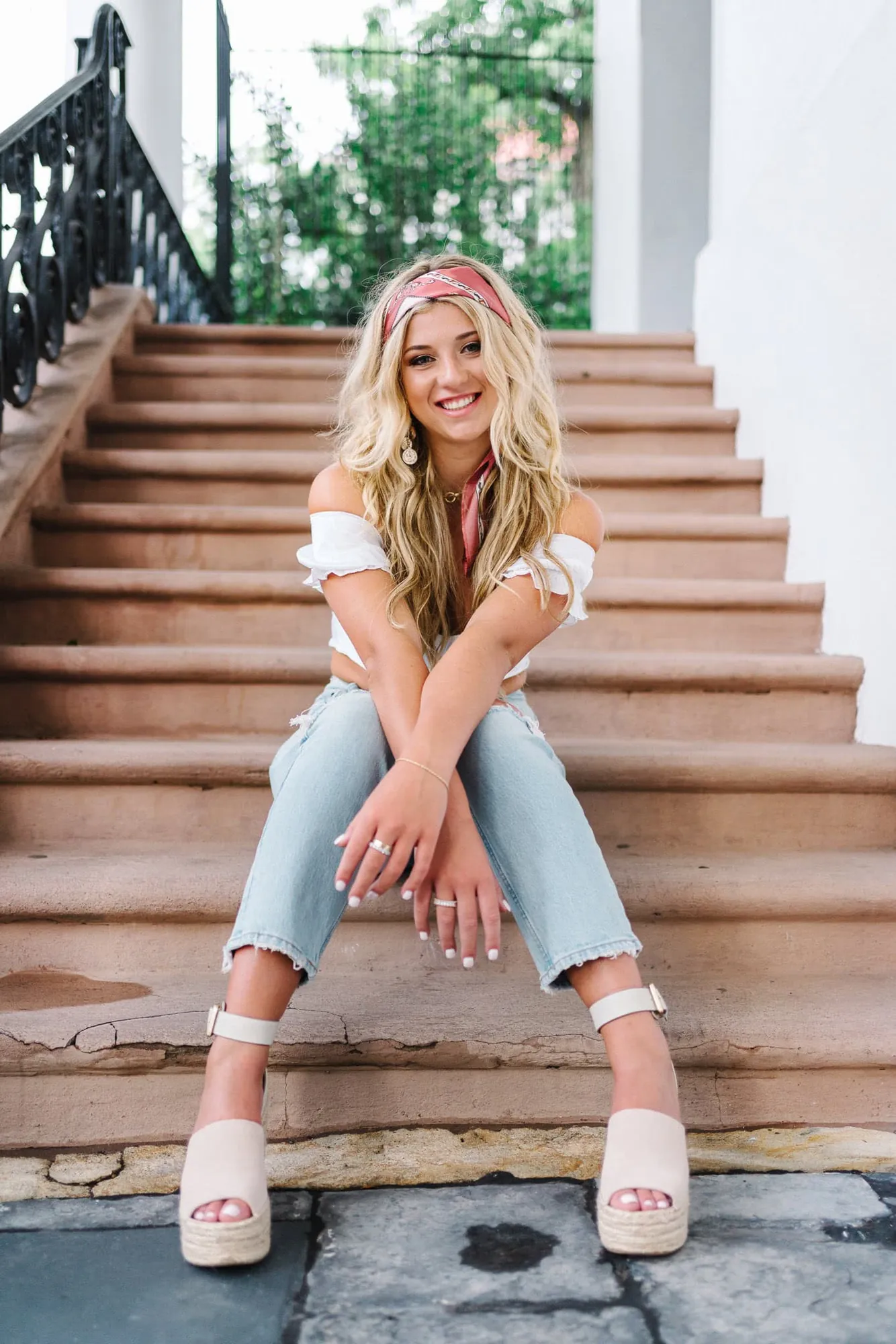
Winter Senior Picture Ideas
Winter senior portraits feel clean, calm, and cinematic. In warmer regions the beaches empty out, giving wide-open space and dramatic skies. In snowy states, fresh snow creates a bright, minimal backdrop that makes a subject pop. Neutral outfits, coats, and soft winter light produce sophisticated images that stand apart from typical seasonal sessions. Dress warmly between shots, keep sessions a little shorter, and use the low winter sun, which stays flattering for much of the day.
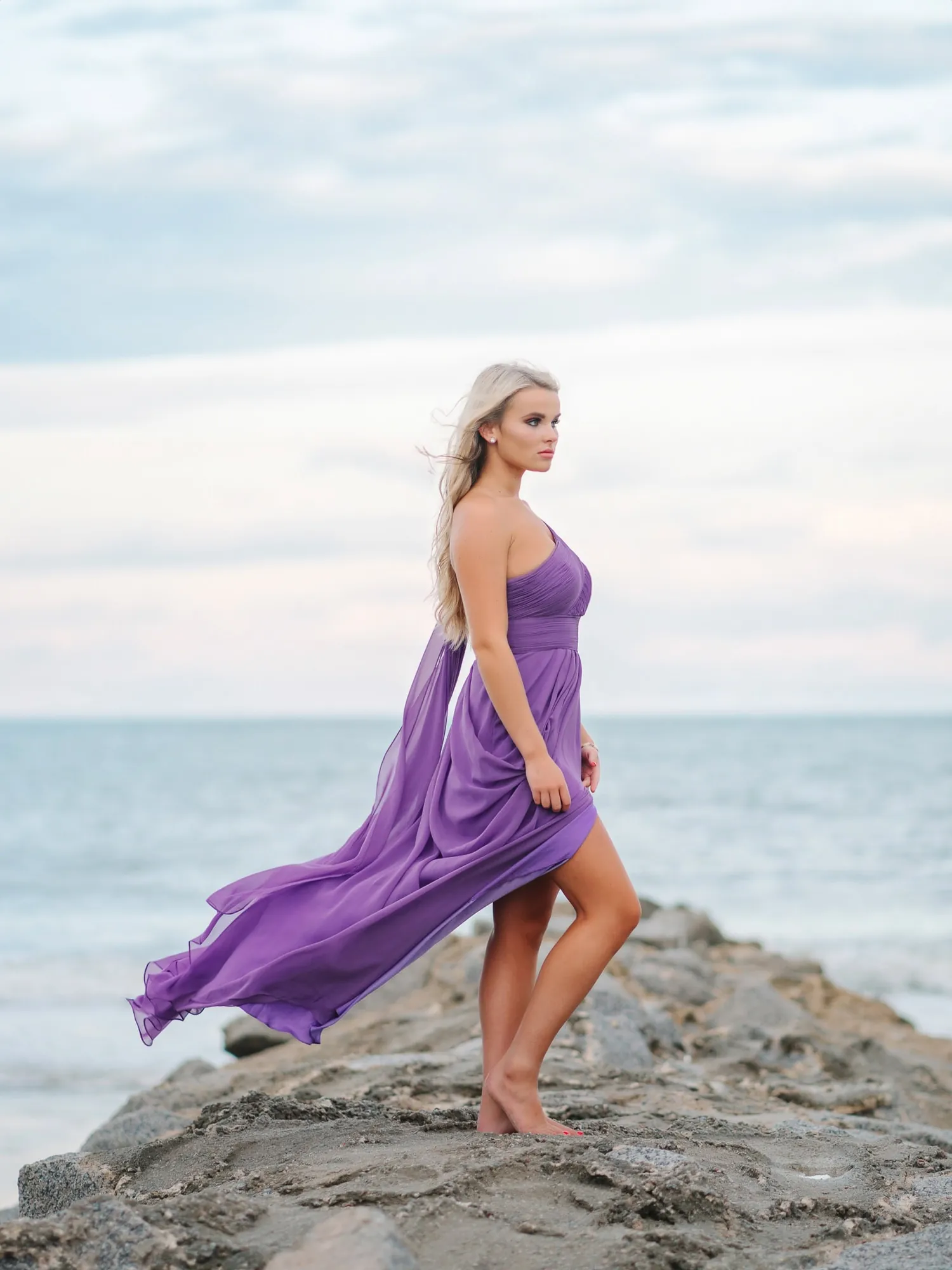
Spring Senior Photos
Spring senior pictures symbolize new beginnings, which fits the timing perfectly. Blooming gardens, fresh greenery, pastel colors, and soft light make this season ideal for bright, joyful portraits before graduation. Spring is also a smart choice for seniors who missed a fall session or want images in hand for graduation announcements. Along the South Carolina coast the gardens at Brookgreen come alive, and the light stays gentle through the longer evenings.
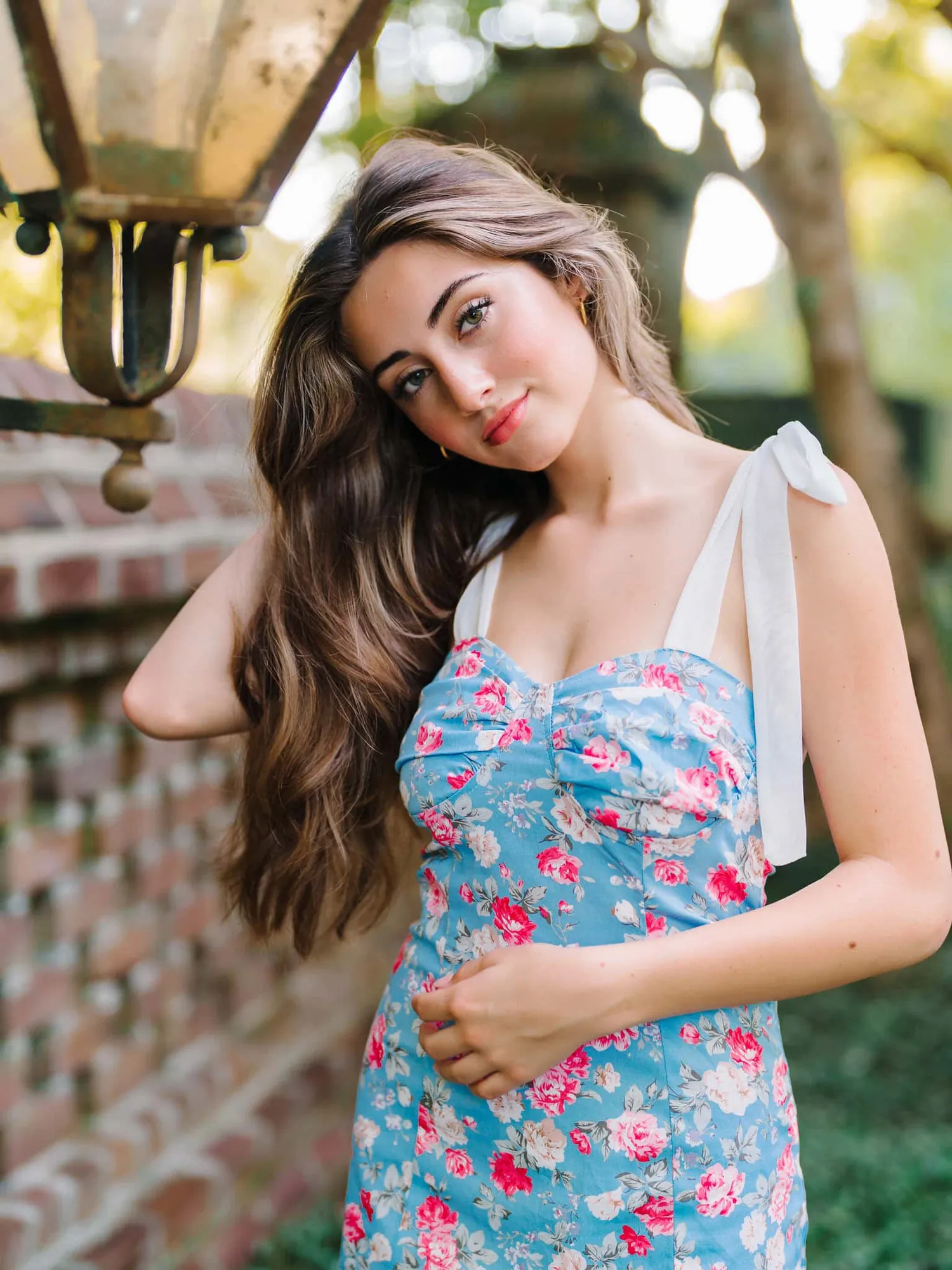
Best Time of Day for Senior Photos
The best time of day for senior pictures is when light is soft, even, and flattering. That almost always means the hour after sunrise or the hour before sunset, what photographers call golden hour. During these windows the sun sits low, casting warm, directional light that wraps gently around your face.
Golden-hour light reduces harsh shadows, enhances skin tones, and adds depth to backgrounds. Midday sun does the opposite. It sits directly overhead, creating dark shadows under the eyes and forcing a squint. If a midday session is unavoidable, a skilled photographer will move you into open shade, where the light stays soft and even. Choosing the right time of day influences how natural and polished your portraits look more than almost any other single decision.
After hundreds of sessions, I can tell you where the best frame usually lives. It is the final 20 minutes before the sun drops below the horizon. The light turns soft and warm, and by then the senior who was stiff and self-conscious at the start has completely relaxed. Those two things happen at the same moment, which is why so many of my favorite images come at the very end of a session, not the beginning. I plan for it now. I hold the most important looks until that window, because I know both the light and the person will be at their best.
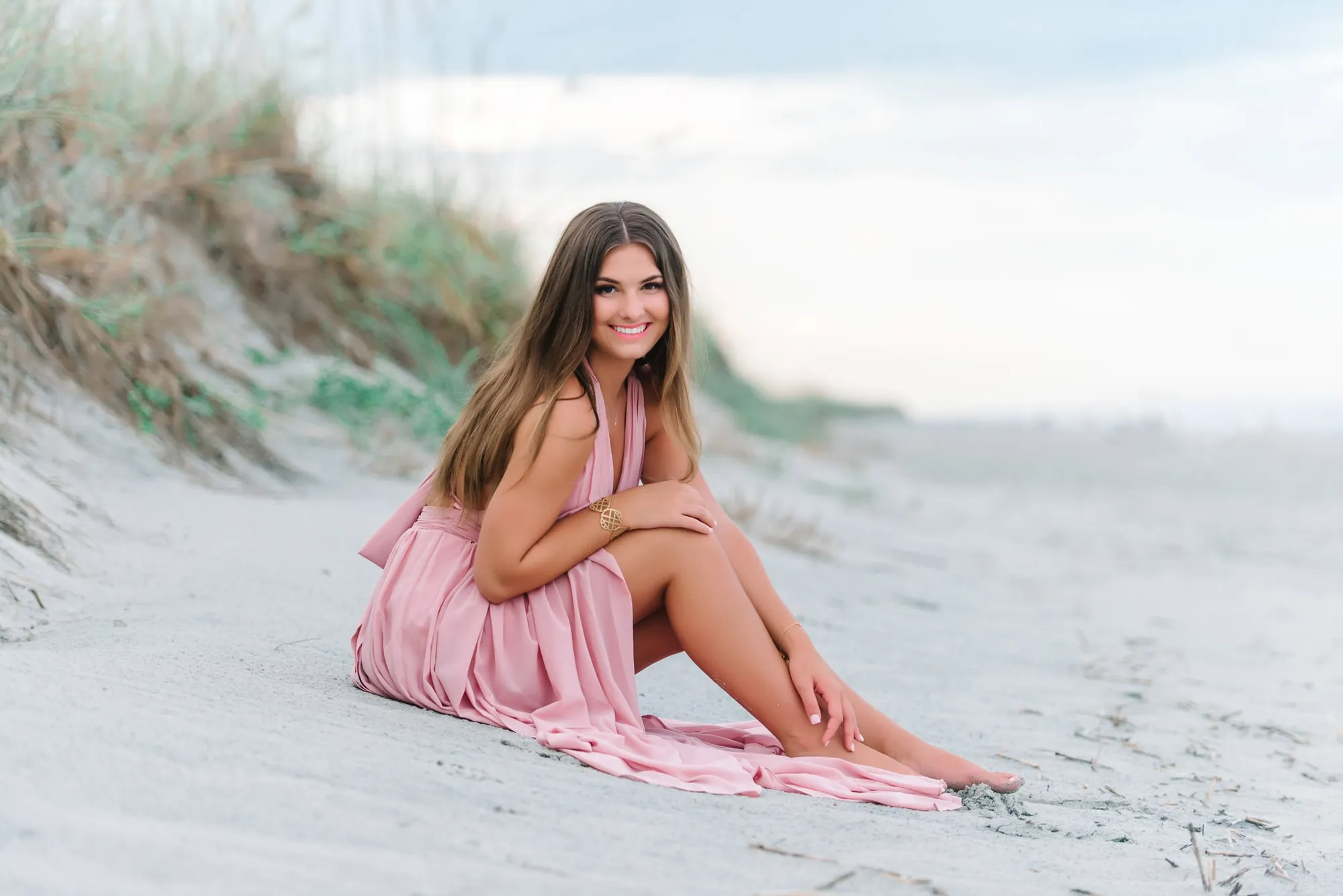
Sunset Senior Pictures
Sunset senior pictures are the most popular choice, especially for beach, field, and urban sessions. Evening golden hour creates warm tones, glowing skin, and dramatic skies that elevate portraits with almost no effort. The colors that appear in the final twenty minutes of daylight are difficult to recreate any other way.
Sunset sessions also feel relaxed and unhurried. You do not need to wake up early, which makes styling hair and makeup easier and helps everyone arrive calm and confident. The one tradeoff is a shorter working window, so arrive on time, since the best light disappears quickly once the sun drops. Plan your must-have shots for the first part of the session and let the softest light land on the closing portraits.
Sunrise Senior Pictures
Sunrise senior sessions offer a quieter, more peaceful experience. Morning light is cooler and softer, creating clean, airy portraits with minimal background distractions. Public locations that fill with people later in the day sit empty at dawn, so beaches, parks, and downtown streets belong to you alone.
At the coast, sunrise brings calm water, pastel skies, and open shoreline. Sunrise sessions work especially well in the warmer months, when evenings run late, and for seniors who prefer a calm start before crowds arrive. The tradeoff is the early alarm and hair-and-makeup timing, so plan accordingly. For many families, the empty, serene backdrop is worth it.
Sunrise vs Sunset Senior Photos: Which Should You Choose?
Both sunrise and sunset create beautiful portraits. The right choice comes down to your personality, schedule, and preferred look.
Choose sunset if you love warm tones, dramatic skies, and a relaxed evening pace, and if mornings are not your thing. Choose sunrise if you want soft cool light, empty locations, and a calm atmosphere, and you do not mind an early start. Either way, golden hour delivers flattering natural light. If you cannot decide, sunset suits most seniors because the timing is easier and the warm color is what most people picture when they imagine senior portraits. Nearly all of my seniors land on sunset for exactly those reasons.
| Sunrise | Sunset | |
|---|---|---|
| Light | Cool, soft, airy | Warm, golden, dramatic |
| Crowds | Empty locations | Busier, but manageable |
| Pace | Calm and quiet | Relaxed and unhurried |
| Effort | Early alarm, early styling | Easier timing all around |
| Best for | Serene, minimal images | Warm, classic senior portraits |
If you asked me to choose for you, I would say sunset almost every time. The warm light and the easier timing win, and it is the look most families picture when they imagine senior portraits.
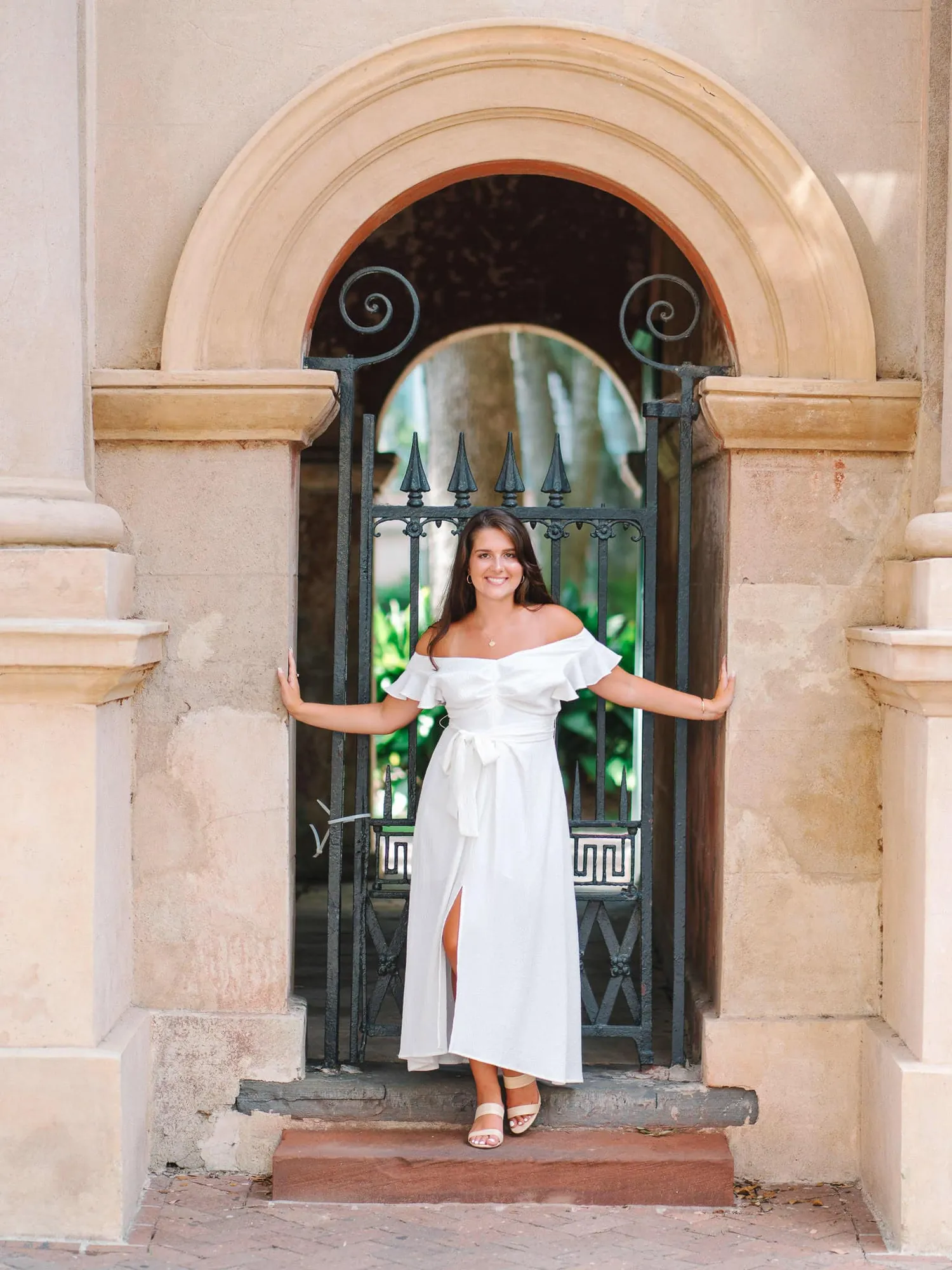
Senior Picture Poses and Ideas
Posing is the single biggest worry seniors bring to a session, and it is the easiest one to solve. The best senior portraits use simple guidance and natural movement rather than stiff, held poses. You do not need to know how to pose. A good photographer directs you through it, one small adjustment at a time.
A strong session mixes three things. Classic portraits where you look at the camera, candid moments where you laugh or look away, and subtle movement like walking or turning. That mix gives your gallery range and keeps every frame from looking the same. Movement also loosens you up, which is why the best expressions often come right after a walk or a laugh.
For additional inspiration, explore our guide to model poses that adapt well to senior portraits. These techniques help create flattering angles while keeping expressions natural.
Senior Posing Tips for Natural, Confident Photos
These small adjustments make a large difference, and a good photographer will cue them so you never have to remember them all.
- Relax your hands to avoid tension and stiff fingers
- Lower and bring your chin slightly forward for a defined jawline
- Change hand placement often to avoid stiff symmetry
- Lift elbows slightly away from the body to create shape
- Turn shoulders at a slight angle to add dimension
- Shift weight onto your back foot instead of standing square
- Look off-camera at times for natural variety
- Maintain tall posture without going rigid
The most useful trick of all is to keep breathing and keep moving. Between frames, shake out your hands, roll your shoulders, and reset. Frozen poses read as tension. Loose, in-between moments read as confidence.
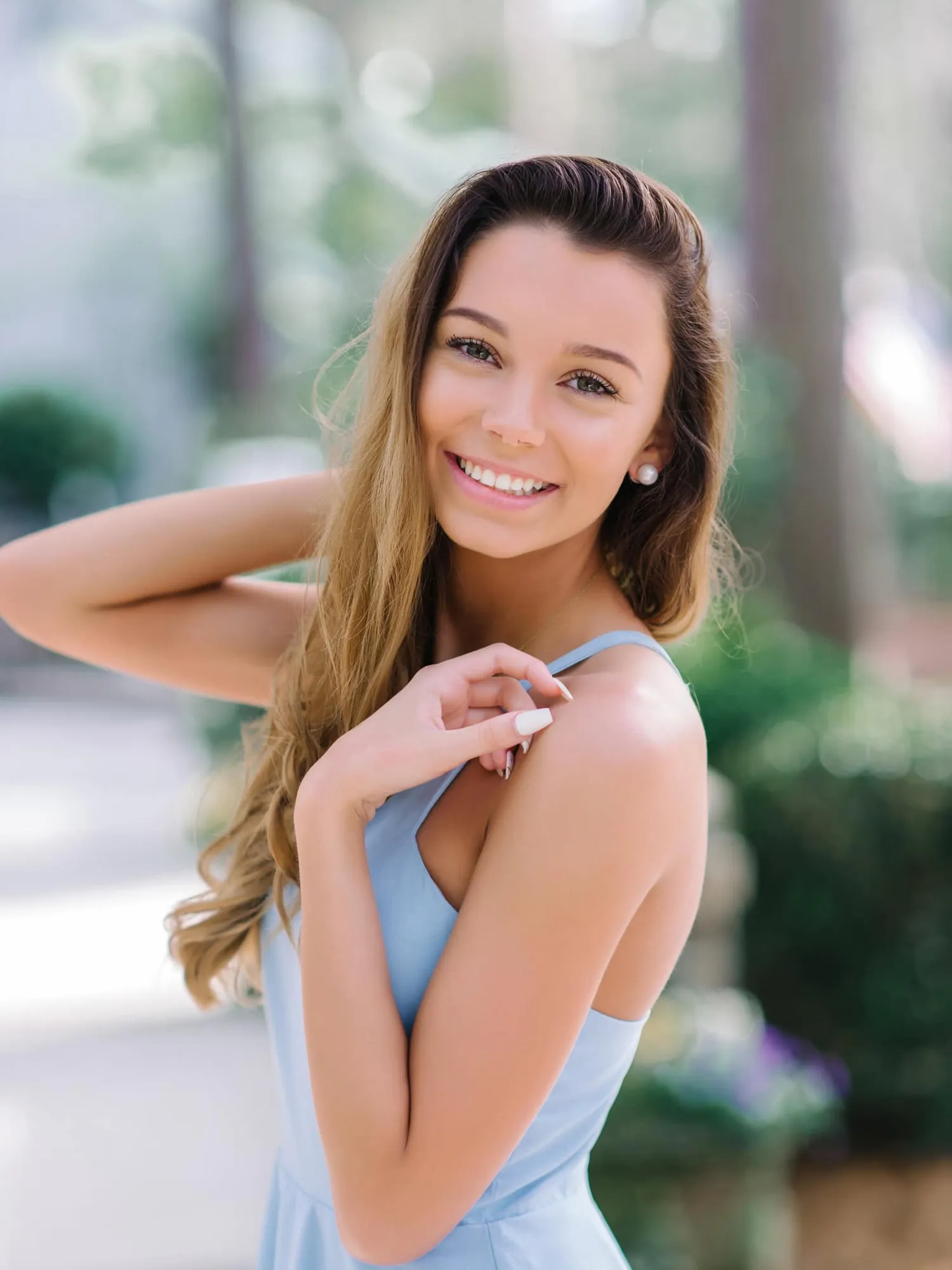
How to Feel Comfortable in Front of the Camera
Almost every senior feels awkward for the first few minutes. That is normal, and it passes. The best thing you can do is trust your photographer and let them lead. You are not expected to perform. You are expected to show up and respond to direction.
A few things help. Bring one person whose presence relaxes you, whether a parent or a best friend, and leave a crowd at home, since an audience adds pressure. Move and talk during the session rather than holding still and silent. Play music you like. Genuine laughter beats a held smile every time, so a photographer who makes you laugh is doing real technical work, not just being friendly. By the halfway point, most seniors forget the camera is there, and that is when the best frames happen.
What Hundreds of Sessions Have Taught Me
After 15 years and hundreds of seniors, certain patterns show up over and over. These are the things I count on going into every session, and they shape how I work.
Almost every senior arrives nervous and unsure how to pose. Girls especially will tell me straight away that they never know what to do with their hands or how to stand. That never worries me. Within the first five to ten minutes, as I guide them through it, the nerves fade and the confidence shows up on its own. I have learned never to judge a session by the first few frames, because the person in front of my camera at minute two is not the same one I am photographing at minute twenty.
One pattern I rely on is that the opening ten to fifteen minutes are rarely the strongest of the day. Seniors need a little time to settle in. So I build the session to warm up gradually and hold the most important looks until after they have relaxed.
Movement almost always beats posing. The frames where a senior is walking, laughing, or fixing their hair in the breeze tend to outperform the stiff, held poses every time. That is why I keep shooting through the in-between moments, right after a pose ends and everyone assumes we are done.
Many seniors walk in worried about something specific. Braces, a stray blemish, glasses, a feature they are self-conscious about. Those things almost never read on camera the way seniors fear, and the portraits they fall in love with are usually the relaxed, natural ones. When a senior brings along something they love, a pet, an instrument, a truck, they settle even faster, because they stop thinking about being photographed and simply act like themselves.
[Suggested Photo: senior mid-session looking relaxed and confident, the shift that happens after the first few minutes]
Creative Senior Picture Ideas for Girls
Senior girls often enjoy portraits that include movement and expression. Walking, twirling a dress in the breeze, sitting on a pier, playing with hair, or leaning against a textured wall adds variety without forcing poses. Motion creates energy, and even a small gesture turns a flat frame into a dynamic one.
Simple props like flowers, a jacket, a hat, or a book add personality when used naturally. Editorial-inspired poses work best when balanced with relaxed expressions, so you look striking and still like yourself. Vary your looks across the session, one soft and romantic, one bold and confident, one casual and candid, so your gallery reflects your full range.
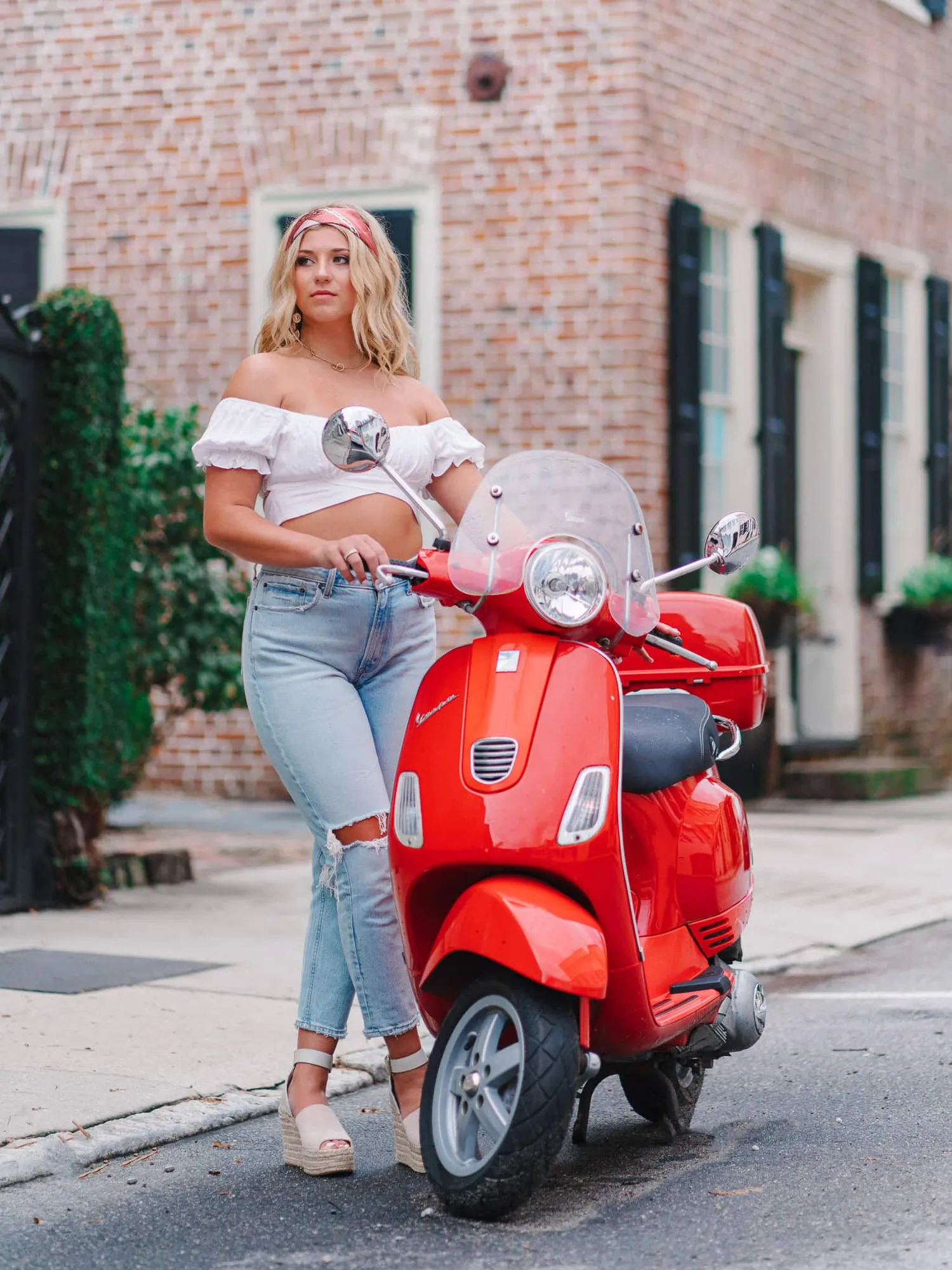
Senior Picture Ideas for Guys
Senior guys usually prefer relaxed, straightforward posing. Walking, leaning against a wall, dune fence, or railing, sitting casually, sliding hands into pockets, or crossing arms creates confidence without feeling staged. The key is to keep it loose. Stiff, rigid posture is the most common thing that makes a guy look uncomfortable, so a slight lean or a bit of motion fixes it fast.
Meaningful items make guy sessions feel personal, whether that is sports gear, an instrument, a truck, or a school jacket. A jacket you add and remove gives two looks in one spot. Small expression cues help too, a slight smile, a look off to the side, or a genuine laugh keeps portraits from feeling forced.
Small Movements Make the Difference
Some of the strongest senior portraits come from subtle movement. Fixing hair in the breeze, shifting weight, adjusting a jacket, or walking naturally toward the camera brings life to an image that a static pose cannot match. Movement solves stiffness at its source, because a body in motion cannot lock up.
Comfort always translates into better expressions. The most photogenic moment is often the one right after a pose ends, when you exhale and relax. Skilled photographers keep shooting through those in-between beats, which is where the most natural, confident frames usually live.
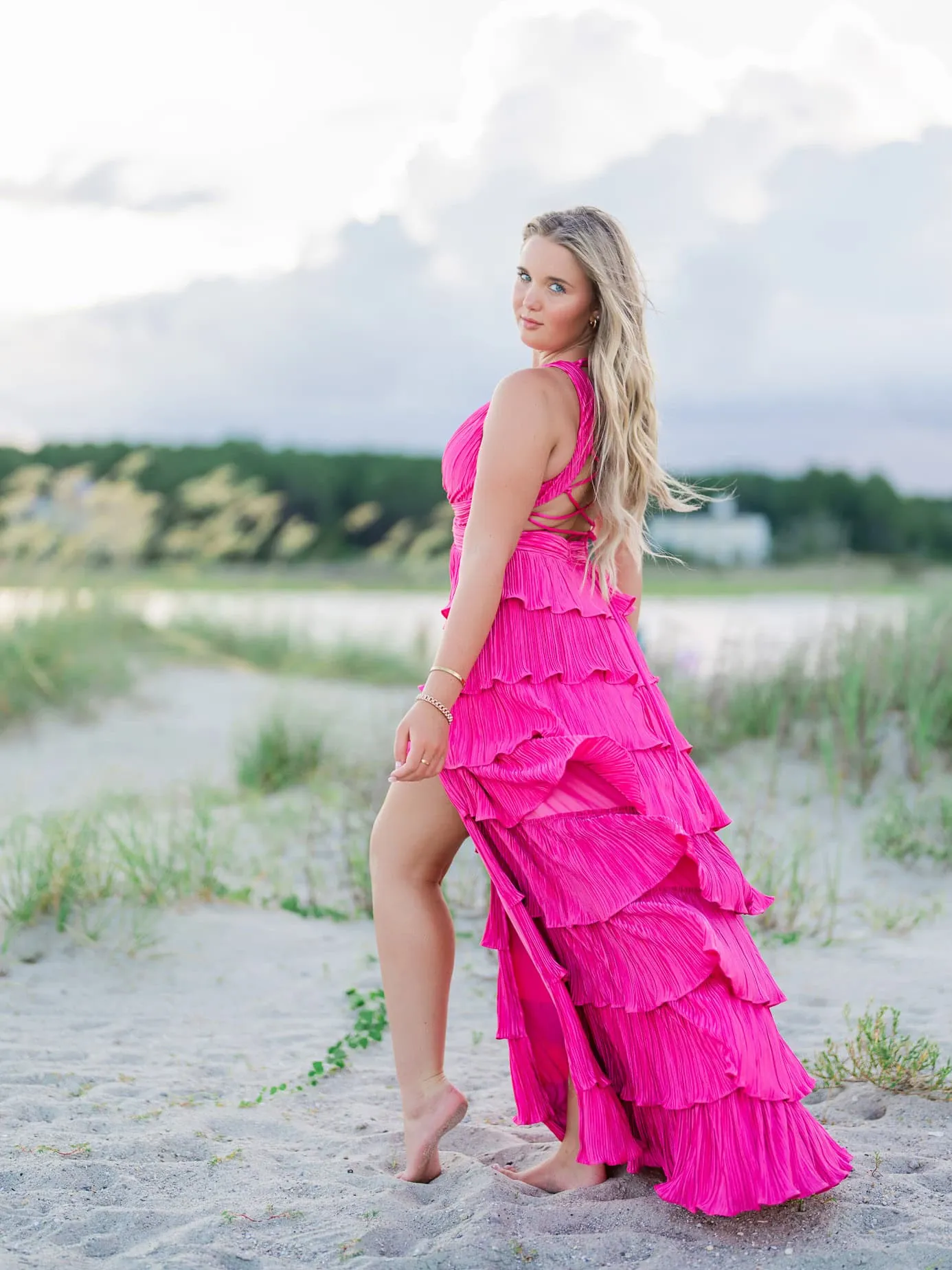
What Happens During a Professional Senior Session
Knowing the flow removes most first-time nerves. A typical session starts with a short conversation while your photographer reads the light and picks a starting spot. You ease in with simple standing poses, then build toward movement and candid frames as you loosen up. Outfit changes happen between locations or in a discreet spot, and the photographer guides pacing so you use the best light on your best looks.
Most senior sessions run one to two hours depending on the number of outfits and locations. Expect direction the whole way through, small cues for chin, hands, weight, and expression, so you are never left guessing. Afterward, the photographer selects and edits the strongest images, and delivery usually takes two to four weeks. Ask about the timeline up front if you have a yearbook or announcement deadline.
How to Choose the Right Senior Photographer
Your photographer matters more than any location or outfit. Look for consistency across a full gallery, not one or two standout images, since anyone can get lucky once. You want to see a whole session that looks polished from start to finish. Pay attention to how they use light, whether skin tones look natural, and whether the seniors in their work look relaxed and confident.
Read recent reviews, and look specifically for comments about how comfortable the photographer made people feel, because posing skill and people skills are what turn a nervous teenager into a confident subject. Make sure their editing style matches your taste, since a bright airy look and a moody dramatic look are very different choices you live with forever. Booking an experienced professional is an investment in images your family keeps for decades.
Questions to Ask Your Photographer
- How long is the session, and how many outfits and locations are included?
- How many edited images will I receive, and when?
- Do you provide posing direction, or do I need to know how to pose?
- What happens if it rains or we need to reschedule?
- Do you help with outfit and location planning beforehand?
- Are prints, digital files, and usage rights included?
- Can I bring family, friends, or a pet for part of the session?
Common Mistakes Seniors Make
A few avoidable mistakes cost seniors their best images. Booking too late tops the list, since the best photographers and the best golden-hour dates fill months out. Trying a brand-new haircut, color, tan, or skincare product right before the session runs a close second, because there is no undo on camera. Buying an outfit at the last minute, then never trying it on with movement, causes fit surprises on location. I have learned that almost every session problem traces back to a decision made the night before instead of a week before.
Other common misses: choosing midday for the session and fighting harsh light, overpacking with too many outfits and rushing every look, wearing loud logos or busy patterns that date the images, and bringing a large audience that adds pressure. Skipping wrinkle removal and forgetting to clean shoes both show up clearly in full-length frames. Almost every one of these is solved by planning a week ahead instead of the night before.
A Parent’s Guide to Senior Pictures
Parents play a real role in a smooth session, mostly by handling logistics so the senior can relax. Help book early, coordinate outfits and hair and makeup timing, and manage the schedule on the day. Then, during the shoot, step back. Seniors relax and photograph better when they are not performing for a parent, so support from a short distance works best. Parents are usually surprised by how much better their senior does the moment they stop coaching and simply watch.
Two things parents almost always appreciate later. Ask for a few portraits of you with your senior, since these become treasured keepsakes and the window closes fast. And resist coaching your senior on how to smile or stand, because that job belongs to the photographer, and two sets of directions create tension. Your calm presence and a few encouraging words are the most valuable thing you bring.
Destination Senior Sessions
Some seniors travel for their portraits, and the results are worth it. A destination session at the beach, in the mountains, or in a city the senior loves turns the shoot into an experience and produces a backdrop their hometown cannot offer. The coastline is one of the most requested destinations, which is why families travel to the South Carolina coast for sessions in Myrtle Beach, Charleston, Pawleys Island, and Kiawah Island.
Plan a destination session with extra buffer. Build in scouting time, a backup weather day, and a photographer who knows the location’s light and access rules. The payoff is a gallery that feels like a milestone trip as much as a portrait session, and images that carry the memory of where you chose to mark the moment.
Senior Picture Ideas: Frequently Asked Questions
Below are answers to the most common questions seniors and parents ask when planning senior portraits. These simplify the process and help your session feel prepared and stress-free.
When should I schedule my senior pictures?
Most seniors photograph in the summer before or the fall of senior year. Book two to four months ahead, and work backward from your yearbook deadline with time added for editing. The best photographers and the best golden-hour dates fill early, especially in fall.
How long does a senior session take?
Most sessions run one to two hours, depending on how many outfits and locations you choose. Plan a little extra time for outfit changes and travel between spots.
How many outfits should I bring?
Two or three outfits is the sweet spot. That gives your gallery variety without rushing each look. Bring one dressy option, one casual everyday look, and one that fits the season or location.
What is the best time of day for senior pictures?
Golden hour, the hour after sunrise or before sunset, gives the softest and most flattering light. Midday sun creates harsh shadows and squinting, so avoid it when you can or shoot in open shade.
What should I wear for senior pictures?
Choose well-fitting clothes in soft, neutral, or muted colors that match your location. Avoid neon shades, large logos, and busy patterns. Fit and comfort matter more than brand, since clothing you can move in helps you look relaxed.
Should I get my hair and makeup done professionally?
Professional hair and makeup is worth considering, because artists who work for camera balance coverage and shine under natural light. If you do your own, keep it slightly heavier than daily wear and stick with neutral tones so you still look like yourself.
Can I bring friends, family, or my pet?
Yes, and it often adds meaning. Family and friends make great images for part of the session, and pets add genuine emotion. Keep group looks coordinated, bring a helper for a pet, and save these for the end so your solo portraits stay the focus.
What if it rains on my session day?
Ask your photographer about their reschedule policy before booking. Most build in a backup date for weather. Overcast skies are actually excellent for portraits, since clouds act like a giant softbox, so light rain in the forecast is not always a reason to move the date.
How much do senior pictures cost?
Pricing varies widely by region, experience, session length, and what is included, such as edited digital files, prints, and outfit changes. Compare what you receive, not just the starting price, since the number of final images and usage rights differ a lot between photographers.
How far in advance will I get my photos?
Most photographers deliver edited galleries in two to four weeks. If you have a yearbook or graduation announcement deadline, confirm the turnaround time before you book.
Do senior pictures have to be outdoors?
No. Outdoor sessions are the most popular because of natural light and variety, but urban settings, meaningful indoor locations, and hometown spots all work. Choose the place that reflects you and offers good light.
I feel awkward on camera. Will my photos still look good?
Almost everyone feels awkward at first, and it fades within minutes. A good photographer directs you through every pose and expression, so you never have to know what to do. Movement, music, and genuine laughter loosen you up, and by the halfway point most seniors forget the camera is there.
Ready to Book Your Senior Session?
Senior year marks an important transition, and your portraits should reflect the confidence, growth, and individuality that define this moment. Every choice, from location and wardrobe to timing and posing, contributes to images that feel meaningful and timeless.
Whether you are planning senior pictures in your hometown or turning them into a destination experience along the South Carolina coast, I hope this guide helped you make better decisions. Everything here comes from photographing real high school seniors, not styled models, over more than 15 years. My goal has always been the same. Create portraits that still feel like you, and still feel timeless, twenty years from now. That is the entire point of doing this well.
Pasha Belman Photography is a top-rated senior portrait experience with over 15 years photographing high school seniors and more than 275 five-star reviews. We photograph seniors throughout the Grand Strand, from North Myrtle Beach and Myrtle Beach State Park to Pawleys Island, DeBordieu, Kiawah Island, and Charleston. Every senior receives wardrobe guidance and location recommendations ahead of the session, so everything feels effortless on the day.
When you are ready to plan your session, explore our Myrtle Beach Senior Photographers page to view galleries, see packages, and book your date. We also photograph seniors throughout Pawleys Island, Georgetown, and Charleston, creating elevated portraits across the South Carolina coast.
Twenty years from now, these photographs will not remind you what you wore. They will remind you who you were, at the exact moment right before life changed. That is what we are really making. Not senior pictures, but the last portrait of your childhood and the first of everything after it.
Planning your own session? Meet the Myrtle Beach high school senior photographers, see our family portraits, or send an inquiry.