Wedding photography shot List: The complete wedding photo checklist
Plan your wedding photography shot list with essential photos, family portraits, getting-ready moments, ceremony details and reception ideas.
After more than 20 years photographing weddings, I know the pictures couples return to are often a mix of beautifully arranged portraits and moments they never expected. A wedding photography shot list helps you tell your photographer which people, moments and details matter most to you. From getting ready and the ceremony to family portraits, speeches and dancing, a thoughtful checklist gives you a starting point for planning a complete wedding gallery.
The most useful list is personal. Your photographer will anticipate many familiar moments, but they cannot know that a locket belonged to your grandmother, that your college friends rarely gather in one place, or which family combinations you want. Share those details ahead of time, then leave space for the unexpected moments that make your wedding yours.
Quick answer: Start with details, getting ready, the ceremony, family and wedding party portraits, couple portraits, reception events and any traditions unique to your celebration. Write down family groupings by name, flag your highest priorities, and review the list with your photographer before finalizing the timeline.
How to Use This Wedding Photography Checklist
Use the lists below as a menu, not an assignment to recreate every image. Select the moments that actually apply to your celebration, add the people and traditions your photographer needs to know about, and remove anything that does not fit. A short, specific list is easier to use than hundreds of poses copied from the internet.
Your shot list describes what matters; your wedding photography timeline makes room for when it can happen. Share both with your photographer and planner, especially if you have multiple locations, a short cocktail hour or a ceremony with photography restrictions. Ask how much coverage your package includes and whether another photographer is available for simultaneous events.
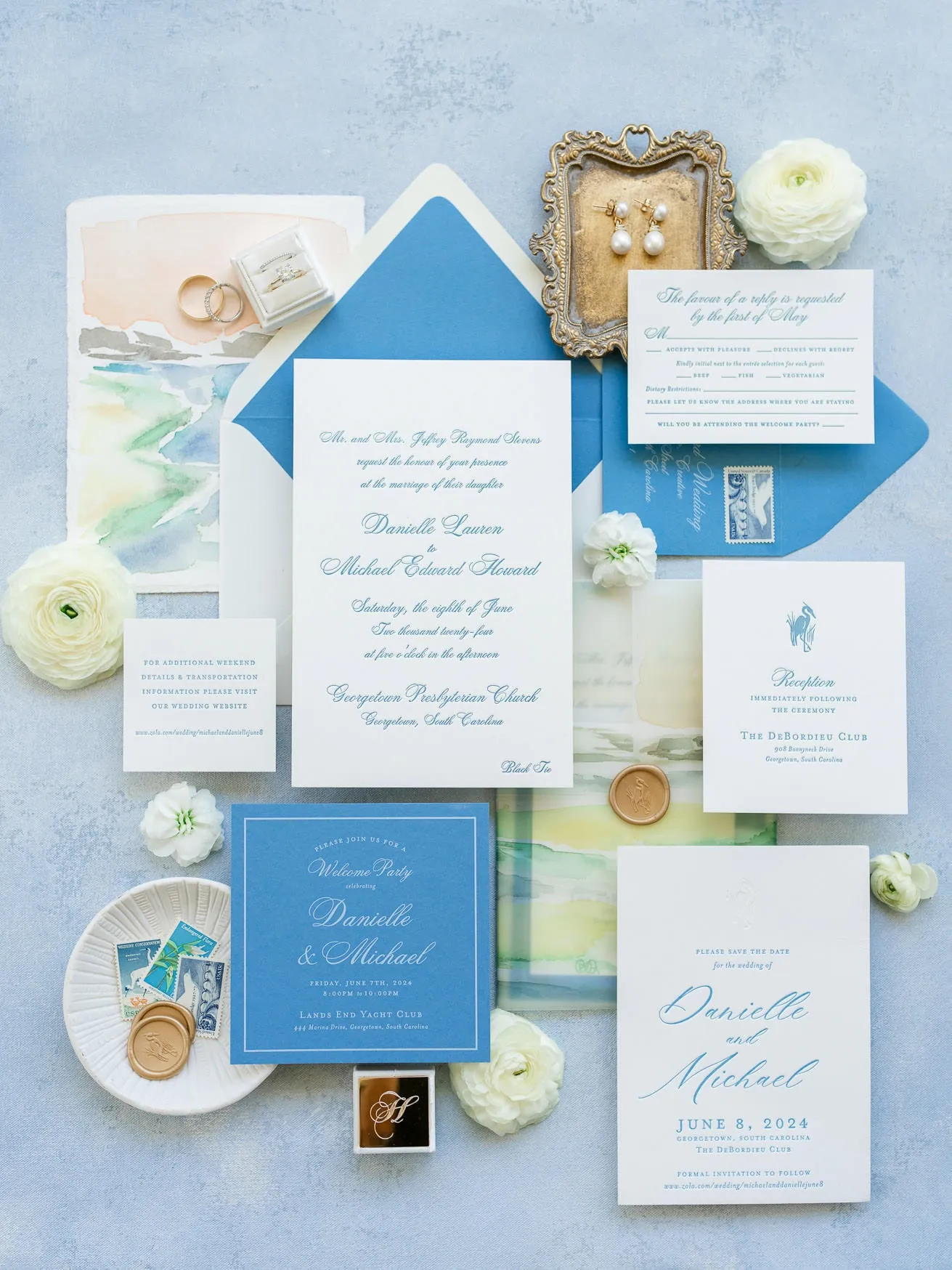
Wedding Detail Photos: What to Set Aside
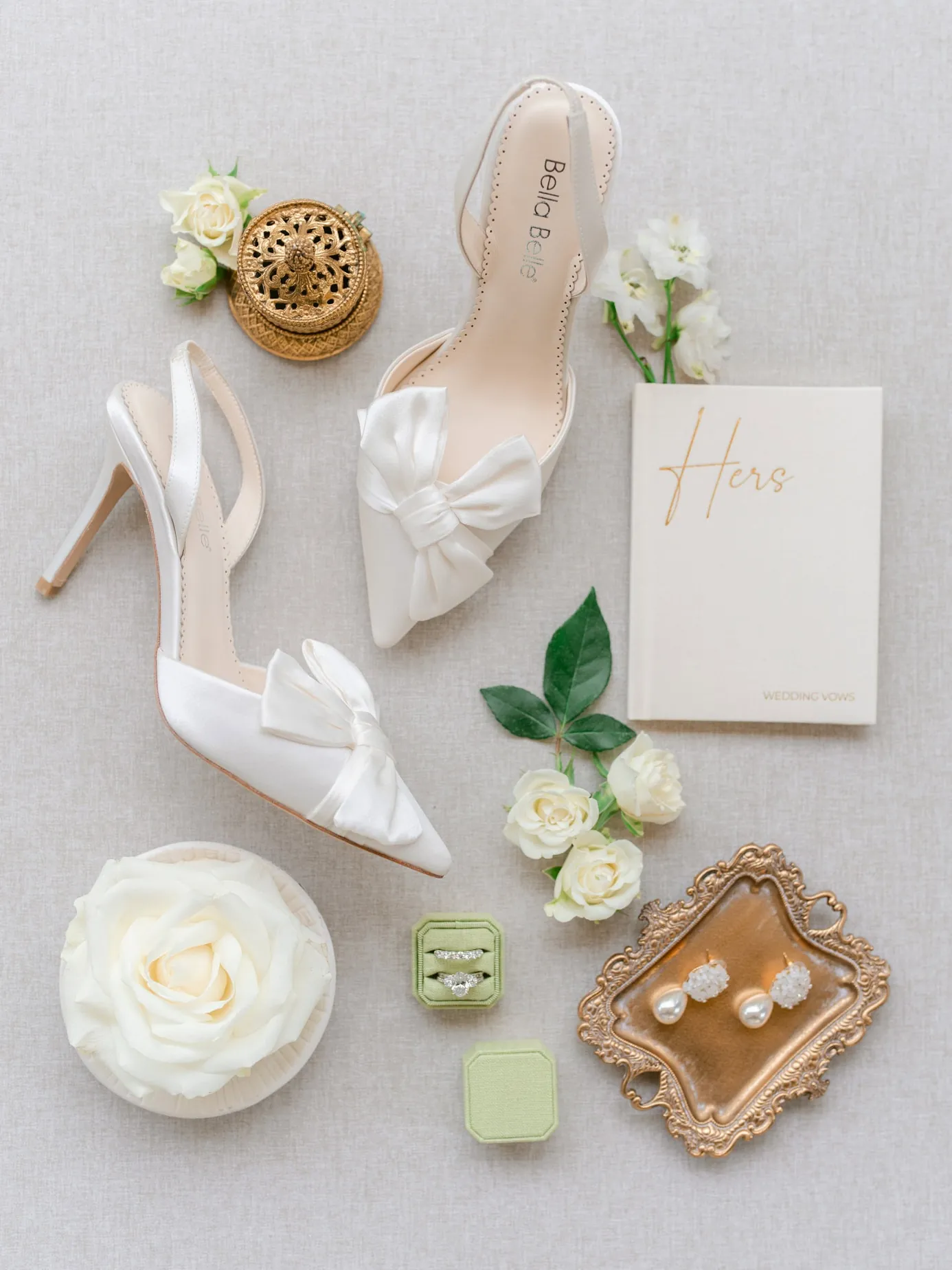
Details tell part of your story, but you do not need to gather objects just because they appear on someone else’s checklist. Place meaningful items together before your photographer arrives, and let your planner or a trusted person know where to find them. If both sets of details are in different rooms, mention that when discussing coverage.
- Invitation suite, envelopes, postage and other stationery you want remembered
- Wedding rings and engagement ring, if available
- Attire, shoes, accessories, jewelry and cufflinks
- Bouquet, boutonnières and meaningful floral details
- Vow books, letters, gifts or personal notes
- Family heirlooms, cultural items or memorial details
- The venue exterior and important spaces before guests arrive
- Any handmade or sentimental detail your photographer might otherwise overlook
Keep practical needs in mind: your rings may be with a family member, your florist may deliver later, and clothes may already be on. Tell your photographer what is available and where it is rather than rearranging the entire morning for a flat lay.
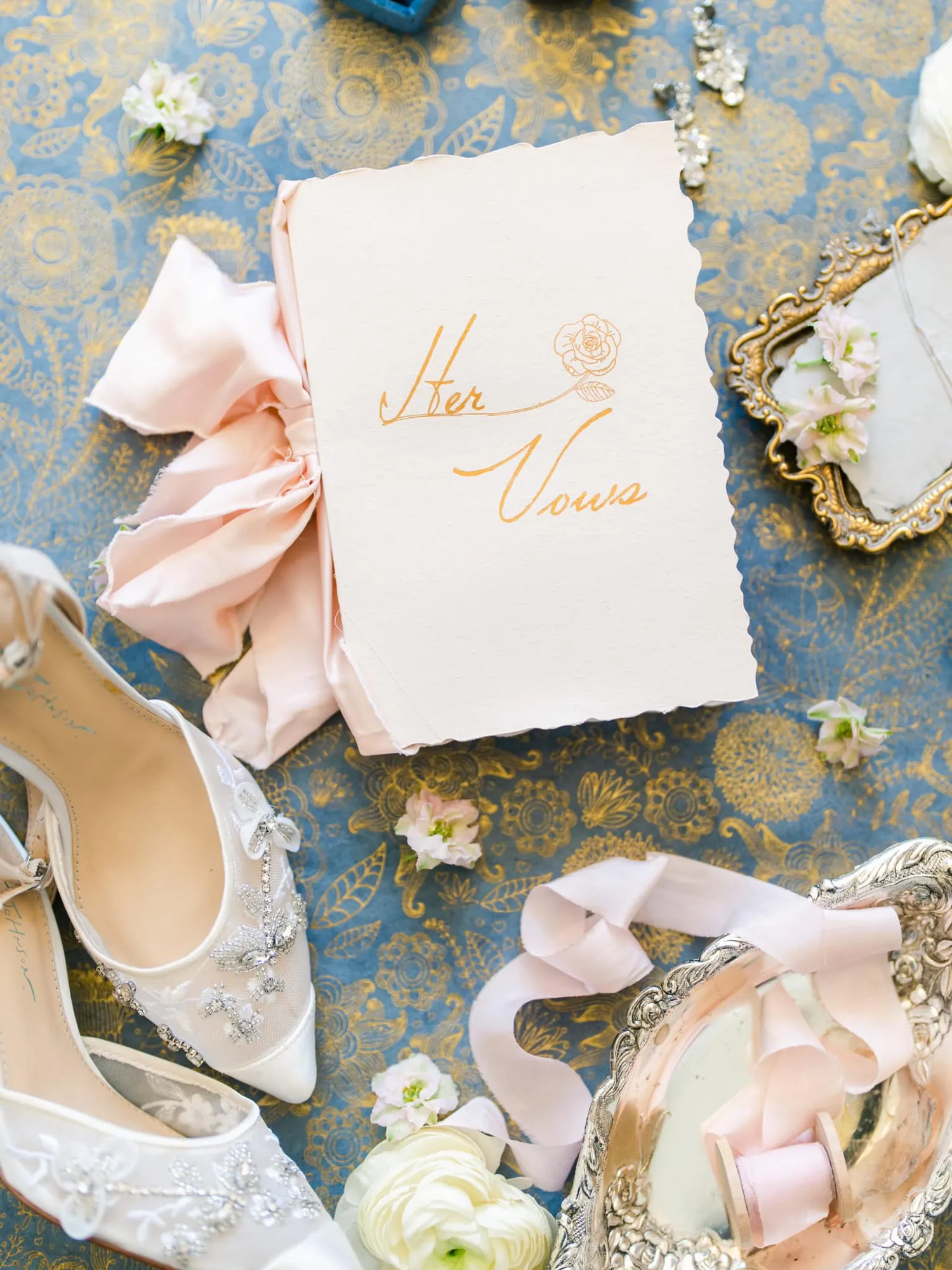
Getting-Ready Wedding Photo Shot List
Getting ready is often where the day begins to feel real. Tell your photographer who will be with each of you and whether you want both preparations covered. If the rooms are far apart or important moments happen at the same time, talk through what is possible with your coverage.
- Finishing hair and makeup or other final preparations
- Putting on attire, shoes and accessories
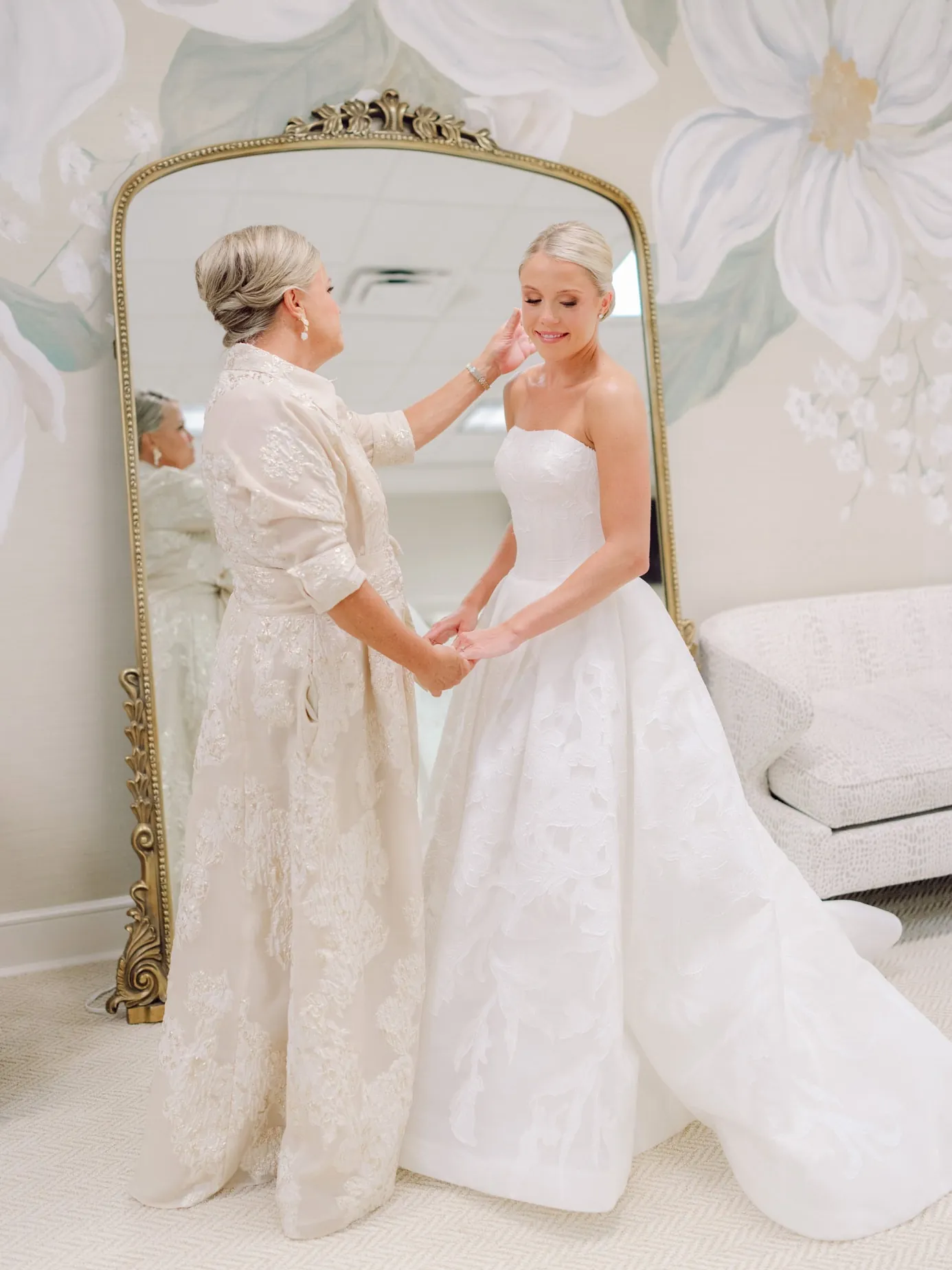
- A parent, sibling or friend helping with a final detail
- A portrait of each partner ready for the day
- Relaxed moments with wedding party members and loved ones
- Reading a letter or exchanging gifts, if planned
- A quiet moment before leaving for the ceremony
- A reveal to a parent, friend or wedding party, if desired
- Any important cultural or religious preparations
Getting-Ready Photos Worth Planning For
The best getting-ready photos show the people around you as well as the final details. Think about who you would like beside you as you get dressed, and tell your photographer about a letter, gift or family tradition that will happen that morning. A few moments to consider:
- A parent fastening a necklace, adjusting a veil or helping with a jacket
- Hands tying a tie, fastening cufflinks or pinning a boutonnière
- Reading a personal note or opening a meaningful gift
- Friends sharing a laugh while the final preparations happen
- A parent seeing their child dressed for the wedding
- A quiet individual portrait near a window before leaving
- A full-length portrait showing the completed outfit
- A brief embrace with the people who shared the morning
If both partners want these moments photographed, share the addresses, room locations and timing with your photographer. Preparation in two places at the same time requires a coverage plan; ask what is possible with your team.
Choose a preparation space with enough room to move if possible. You do not need a perfect room, but gathering bags and clutter in one area can make it easier to photograph the people and moments you care about.
First Look and First Touch Photos
A first look is optional. Some couples prefer a private reveal; others want to see each other for the first time during the ceremony. A first touch, private vows or a note exchange can also be meaningful. Tell your photographer what you are planning and whether you want privacy from guests.
- One partner waiting and the other approaching
- The first reaction and the moments immediately afterward
- An embrace, conversation or exchange of private vows
- A first touch around a doorway or another private location, if planned
- Reactions during a reveal with parents or wedding party members
- A few portraits together afterward, if the schedule allows
First-Look Moments to Consider
Choose a spot with enough privacy for the two of you to enjoy the moment. Along with the reveal itself, I look for the smaller moments afterward: a hand reaching for the other, a laugh, or the pause before you walk together. If you are exchanging private vows, tell your photographer whether you want the words kept private and how much of that moment you would like photographed.
There is no need to prescribe every expression. The purpose of a first look is the experience you share, and your photographer can guide you toward a good location and then let it unfold.
Wedding Ceremony Photography Checklist
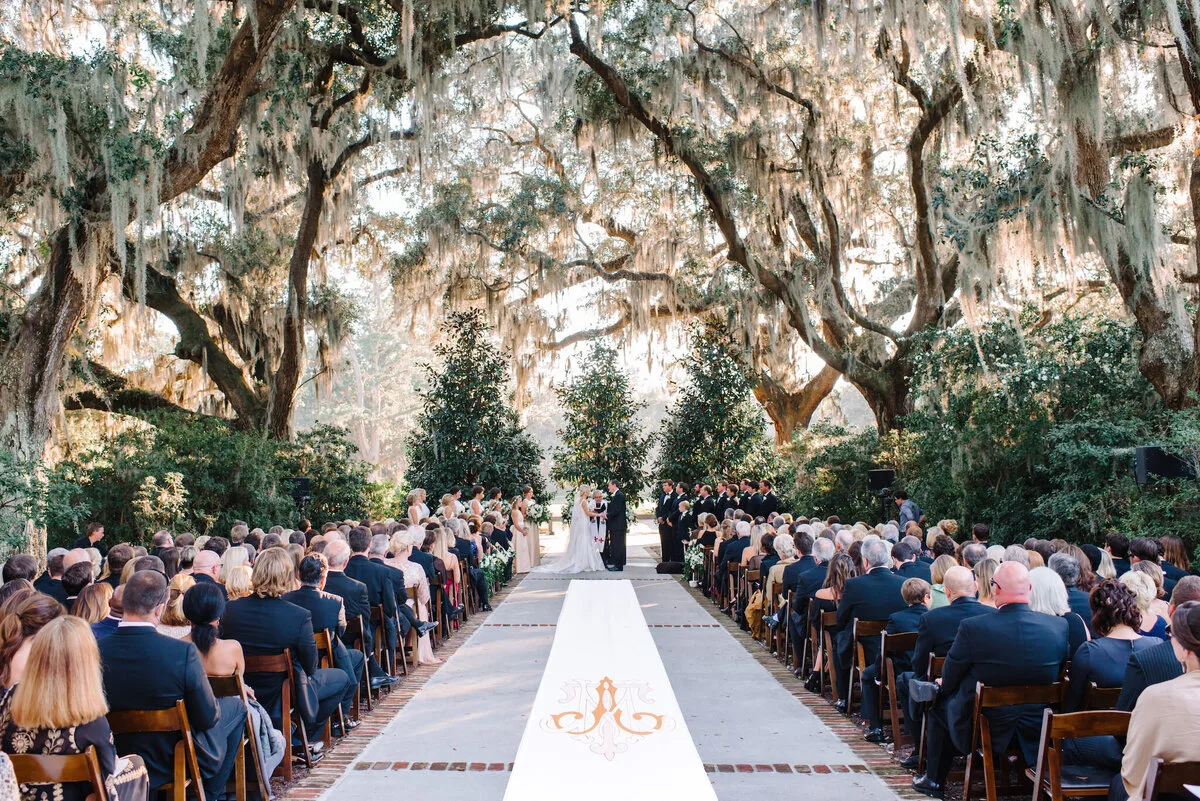
Ceremonies vary widely. Give your photographer an order of service and point out meaningful rituals, readings and people. Ask your officiant or venue about restrictions on movement, flash and camera placement; those rules can affect the angles available.
- The ceremony space and meaningful details before guests arrive
- Guests arriving and taking their seats
- The processional, including loved ones and the wedding party
- Each partner’s entrance and the other partner’s reaction
- A wide view of the ceremony and guests
- The officiant, readers, musicians and significant participants
- Vows, ring exchange and any personal or cultural rituals
- Reactions from family and friends
- The first kiss or another meaningful moment at the conclusion
- The recessional and the couple’s immediate celebration afterward
Ceremony Photos Beyond the Aisle
A ceremony gallery feels complete when it includes the setting, the people watching and the details that tell the story. Alongside the major moments, consider the hands holding a bouquet or program, a loved one delivering a reading, the exchange of a meaningful object, and your families’ reactions. Let your photographer know which guests or traditions carry special meaning; access and the ceremony’s rules will shape what can be photographed.
If a ceremony includes an important action that is easy to miss—such as a family blessing, a special reading or a ritual with a meaningful object—identify it in advance. For ceremonies with multiple photographers, ask how they will coordinate; a particular angle cannot be guaranteed when access is limited.
Family Wedding Photo Shot List
Family formals are the portion of the checklist where names make the biggest difference. Create a written list of the exact groups you want, share it in advance and tell everyone where and when to meet. A trusted person who knows the families can help gather people while your photographer works.
Here is a starting point. Adapt it to your own family, including chosen family, stepparents, guardians, children and anyone else who belongs in your photographs:
- The couple with each partner’s parents or guardians
- The couple with parents and siblings on each side
- The couple with grandparents or other important elders
- The couple with both families together, if desired
- Each partner with their immediate family
- The couple with children, stepchildren or chosen family
- Specific extended-family groups or friends who are important to you
- Any individual portrait that has particular meaning
Write names beside each group: for example, “Couple + Alex’s parents, Maria and James.” Tell your photographer privately about sensitive family relationships, accessibility needs or anyone who may prefer a separate grouping. Consider photographing older relatives or people with mobility needs early and choosing a location with seating and easy access.
Ask your photographer how much time the list requires. Group size, walking distance and how quickly people gather all affect timing. Prioritize the combinations that matter most and keep a few minutes for adjustments.

Wedding Party Photo Checklist
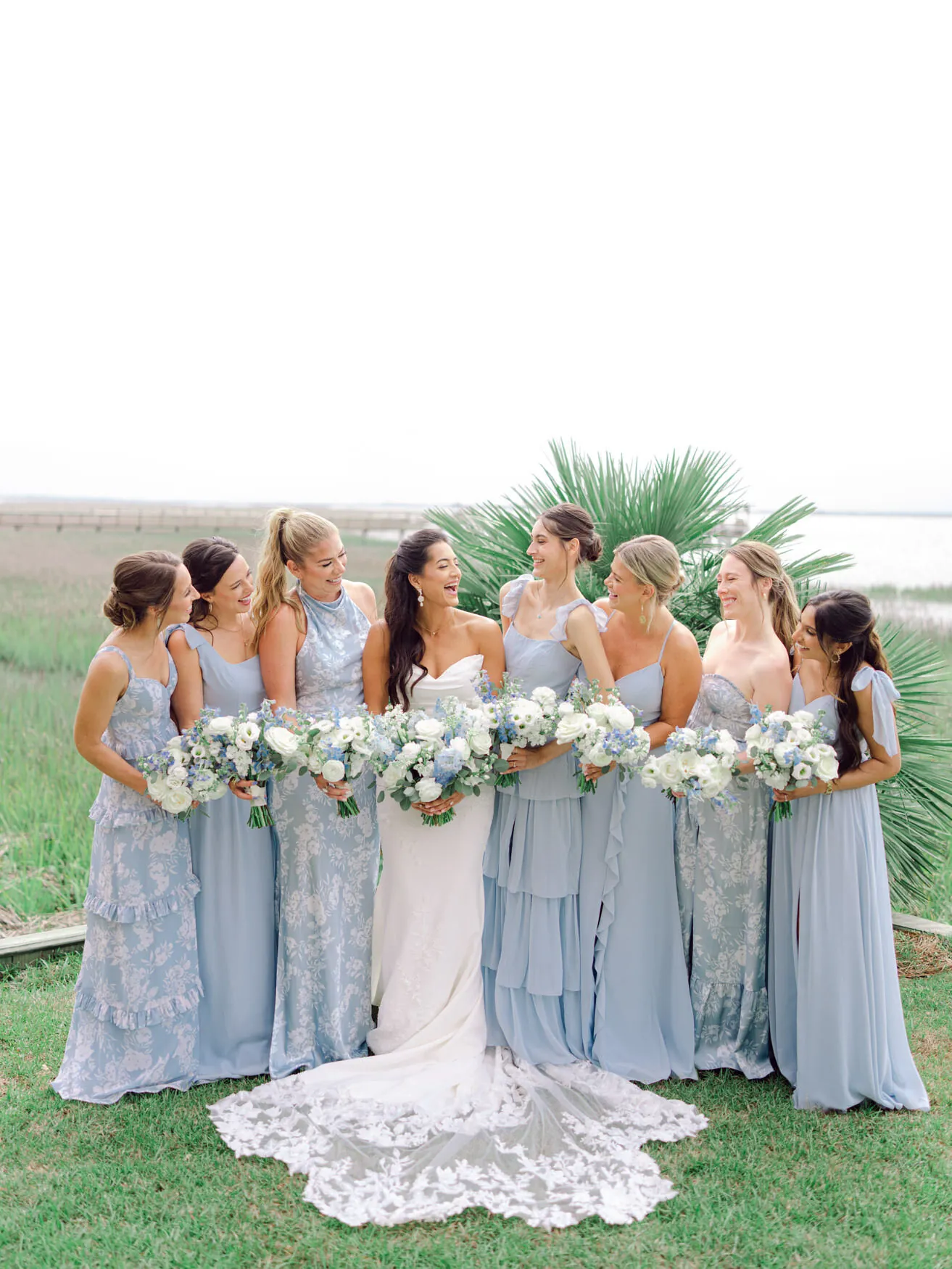
Whether you have a large wedding party, one attendant each or no formal party at all, make space for the people who supported you. Decide which combinations you want before the wedding so your photographer can organize them efficiently.
- The couple with the full wedding party
- Each partner with their attendants or closest friends
- Each partner with individual attendants, if important
- The couple with flower children, ring bearers or other participants
- A relaxed walking or candid group photograph
- Any special grouping of friends, siblings or chosen family
Couple Portraits: Wedding Photos of the Two of You
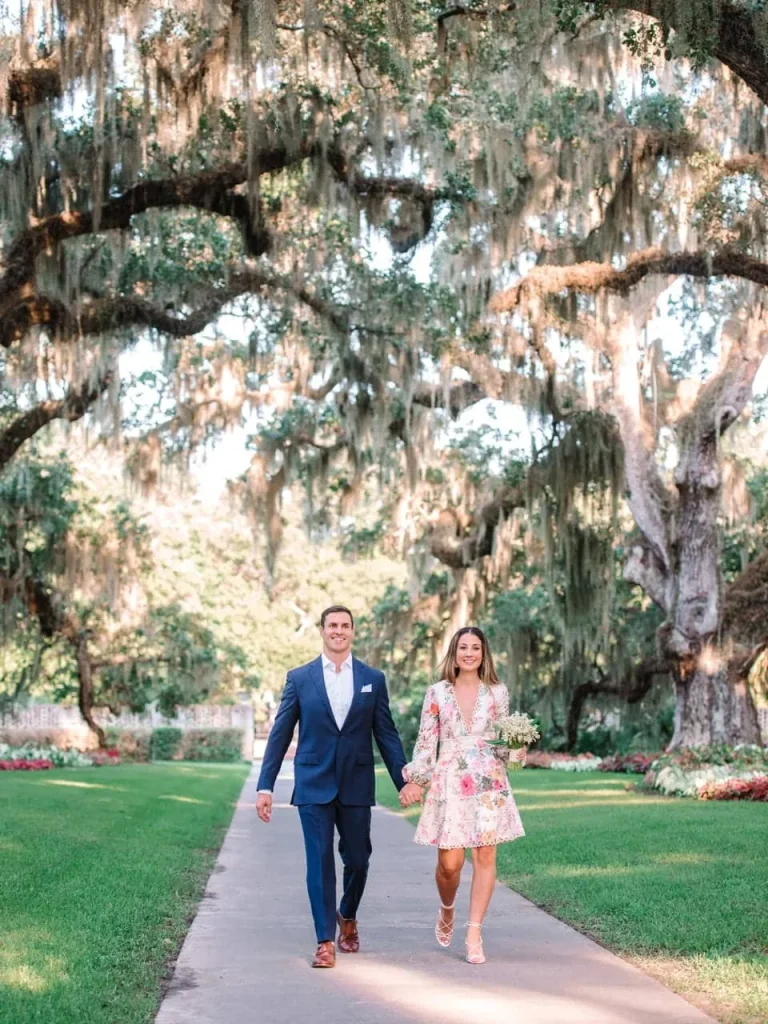
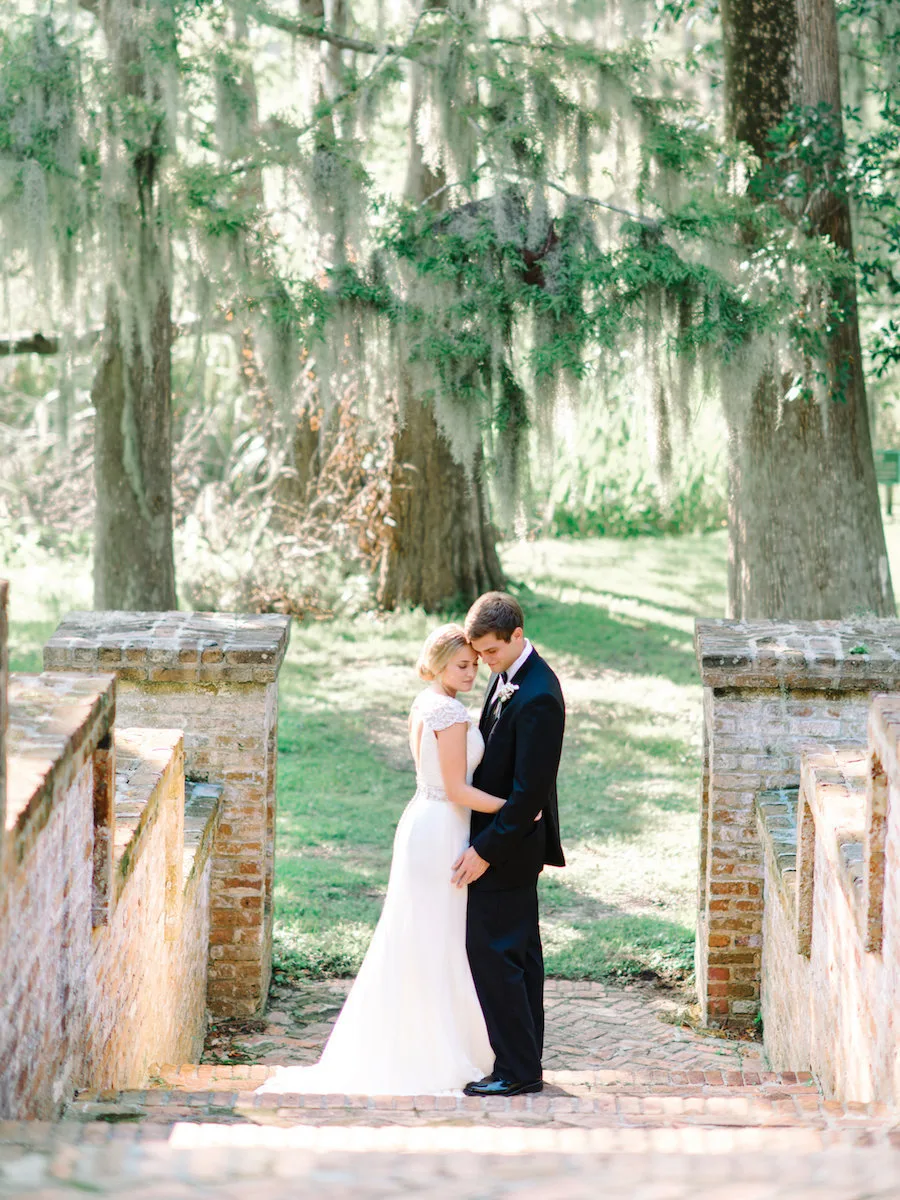
Portraits do not have to mean an hour of standing still. Tell your photographer whether you love classic, relaxed, editorial or playful pictures, and share a few examples that reflect the feeling you want. Your photographer can suggest locations based on light, accessibility and the time available.
- A full-length portrait together showing your attire
- A close portrait and a relaxed photograph looking at one another
- A walking photograph or another natural movement
- A portrait that includes your venue or landscape
- A few individual portraits, if desired
- A photograph with a meaningful object, pet or family member
- A brief sunset or evening portrait if it fits your schedule
You may take some portraits before the ceremony, after it, or in short windows throughout the day. A first look can create time earlier, but it is not required. Ask your photographer about the light and the tradeoffs for your particular schedule.
Reception Wedding Photo Checklist
Reception photography includes the room you planned, the people who filled it and the events that happen once the celebration begins. Let your photographer know which events are scheduled and whether the coverage ends before the party or exit.
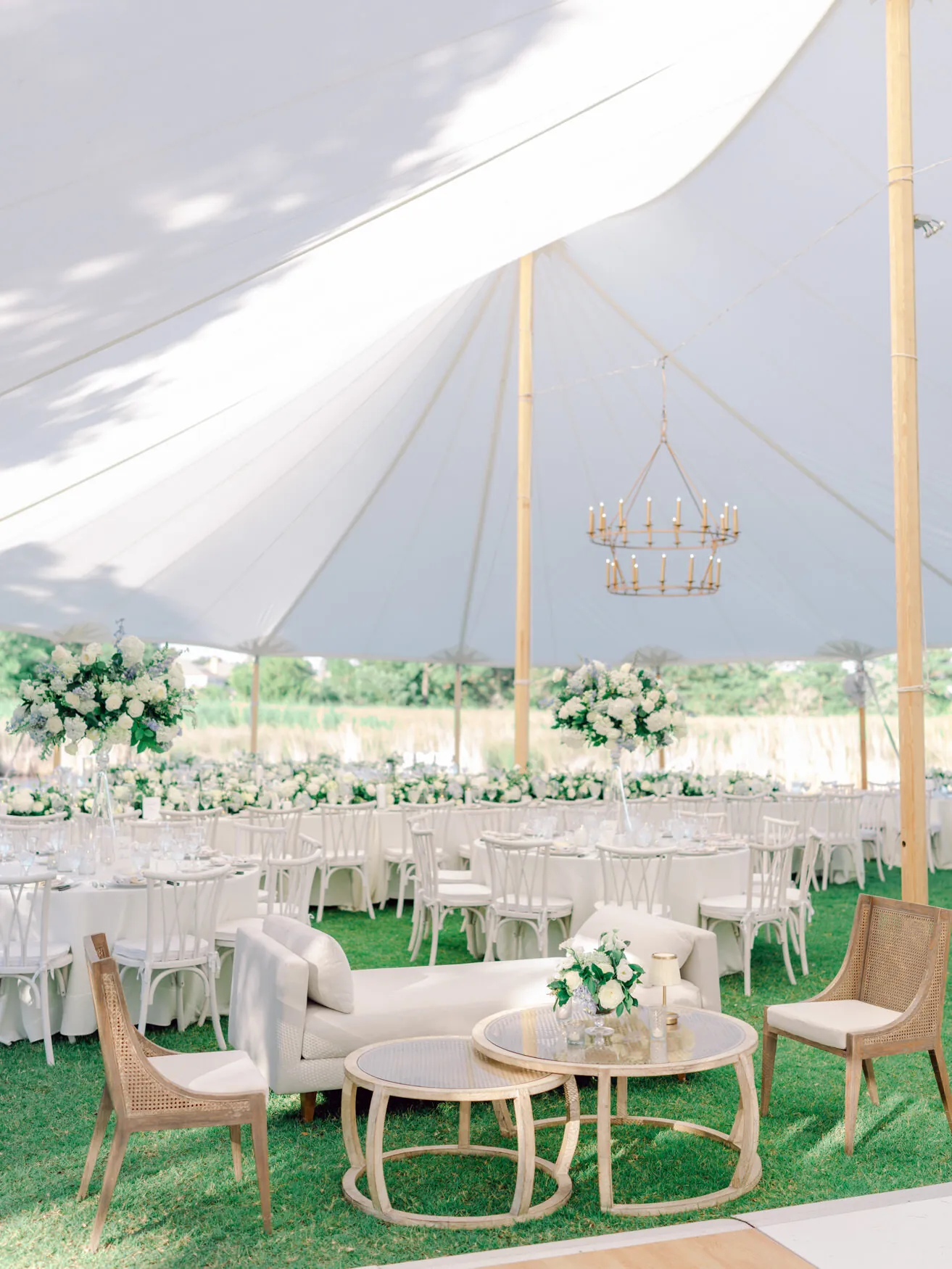
- Reception space before guests enter, if timing permits
- Tables, place settings, florals, seating display and other meaningful details
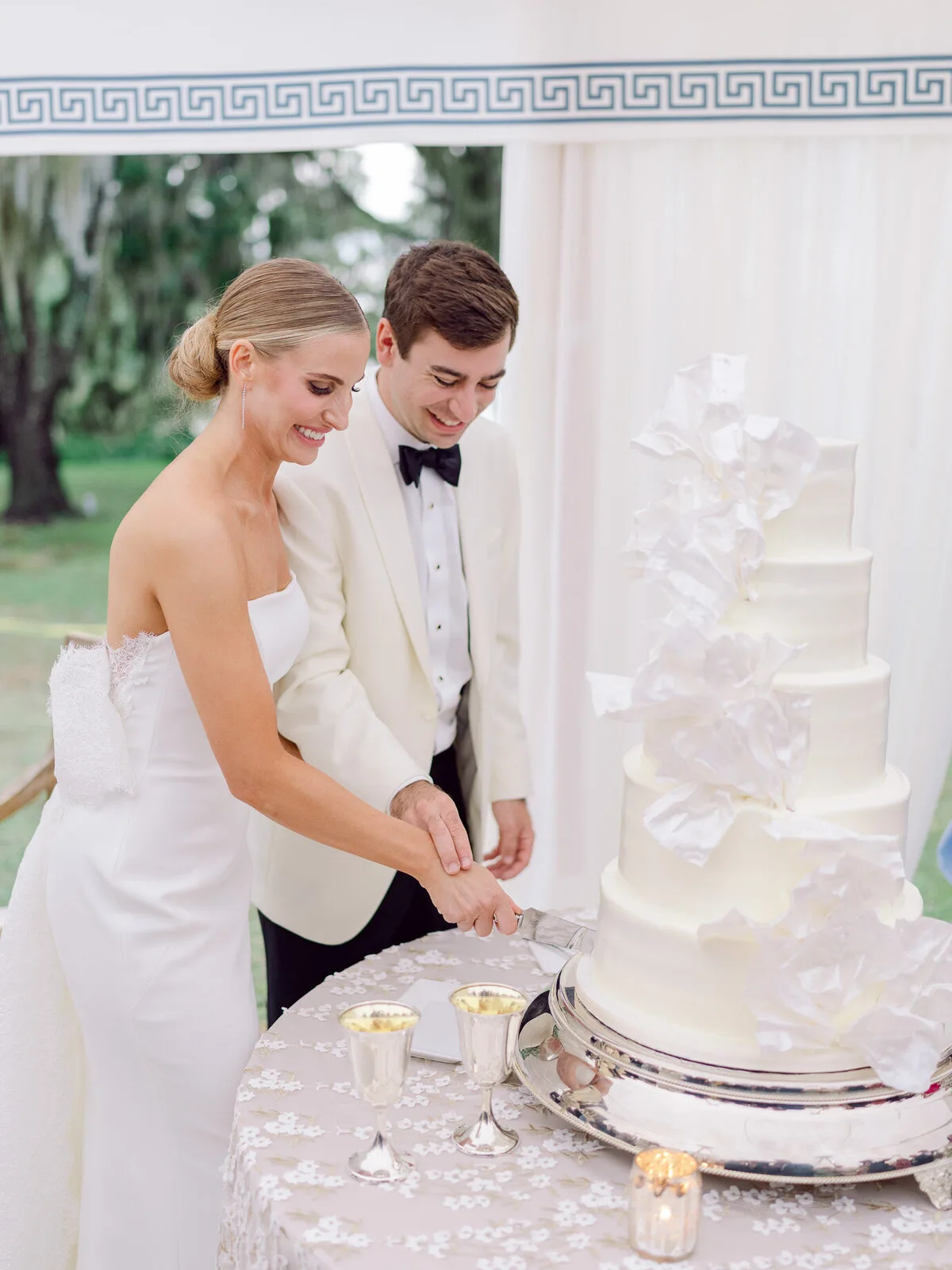
- Cake or dessert display and any special food presentation
- The couple’s entrance or welcome
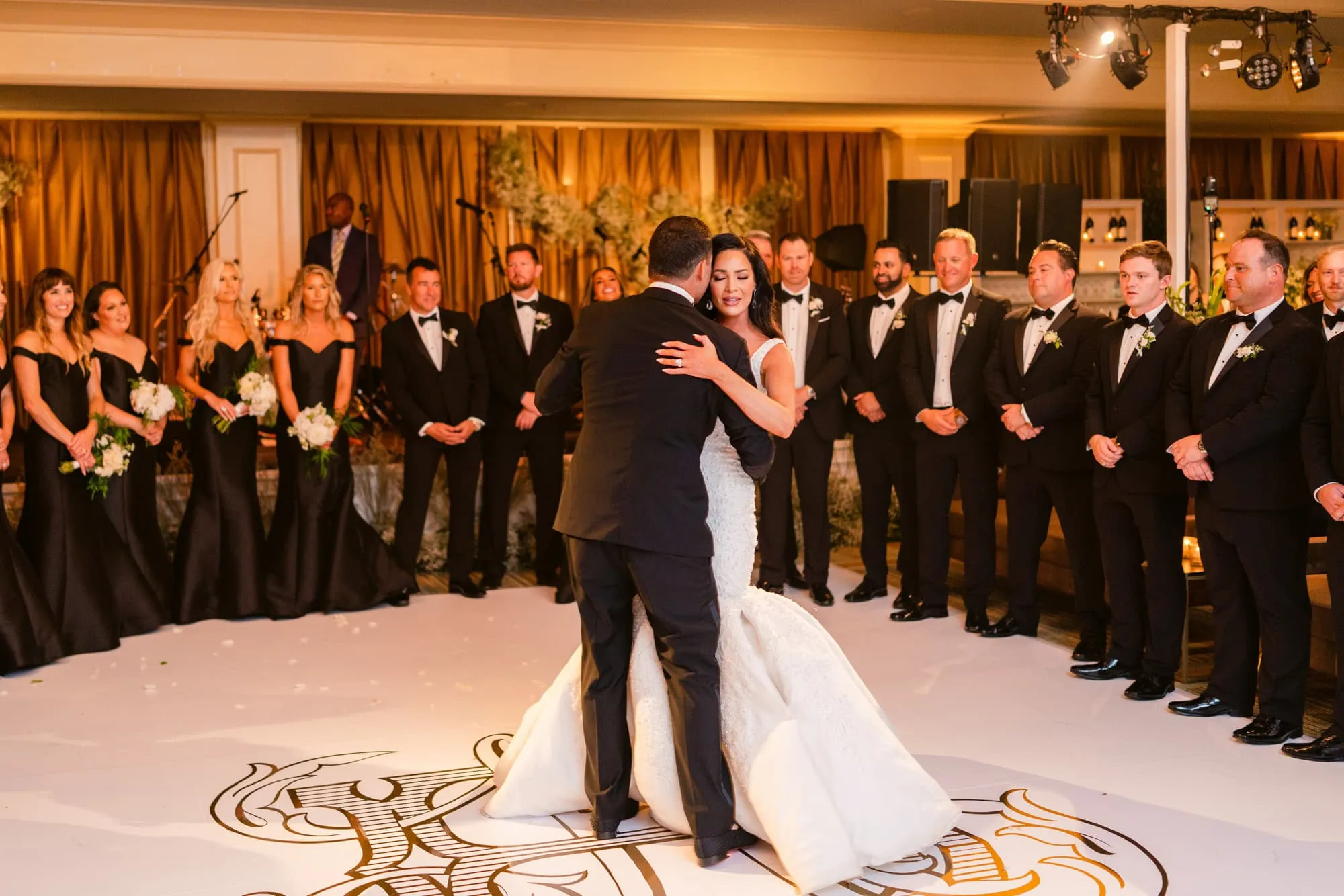
- First dance and any dances with loved ones
- Speeches, toasts and the couple’s reactions
- A blessing, performance or cultural tradition
- Guests talking, celebrating and dancing
- Cake cutting or another planned reception event
- An outfit change or surprise, if planned
- The send-off, final dance or departure, if included in coverage
If a grandparent is giving a toast, a friend is performing, or a tradition will happen outside the usual schedule, identify it on both the shot list and the timeline. Your photographer can then plan where to be without directing the entire celebration.
After-Party and Send-Off Photos
After-party coverage is not automatically included in every package. If you want late-night dancing, a change of outfit, live music or a final exit photographed, confirm the coverage end time and any additional arrangements with your photographer.
- The couple and guests at the after-party
- A second outfit or change of setting
- Live performers, late-night food or a meaningful surprise
- The final dance or private last moment in the reception space
- A planned exit, getaway vehicle or farewell with guests
Ask your venue about rules for sparklers, confetti and other send-off materials. If your photographer leaves before the actual exit, discuss whether another option fits your timeline. You can celebrate beautifully without staging an event solely for a photograph.
Wedding Photo List for Cultural, Religious and Personal Traditions
No universal checklist can describe every celebration. Share the sequence and meaning of your traditions with your photographer, including when and where they happen, who takes part, and whether any part is private or restricted. Examples might include a tea ceremony, ketubah signing, baraat, ceremonial garments, a family blessing, a meaningful dance or a multiday event.
If an event is unfamiliar to your photography team, a conversation with your planner, officiant or a family member can help them prepare. Avoid assuming one tradition follows the same order at every wedding. Your family’s version is the one that matters.
How to Make a Wedding Shot List Your Photographer Can Actually Use
1. Identify your priorities
Choose the handful of moments, people and details you would be most disappointed to miss. If your photographer needs to make a tradeoff because of time or weather, those priorities provide useful direction.
2. Write family names and groupings
Replace “all family photos” with a numbered list and the names of each person. Note mobility needs and delicate family circumstances privately. Give a copy to your photographer and the person helping gather everyone.
3. Add the things your photographer cannot know
An heirloom, a surprise performance, a relative traveling from far away or a special relationship may not be obvious. Explain why the detail matters and when it will be available to photograph.
4. Confirm logistics
Share addresses, preparation rooms, ceremony rules, the planned order of events and the reception coverage end time. Ask about travel between locations, a weather backup and how any simultaneous moments will be covered.
5. Leave room for real moments
A long list of generic poses can pull attention away from what is happening. Agree on your priorities beforehand and trust your photographer to notice expressions, interactions and moments you could not predict.
Sample Wedding Family Portrait List
Copy this example into a note and replace each description with the names that fit your family. Add, remove or reorder groups with your photographer:
- Couple + partner one’s parents or guardians: __________________
- Couple + partner one’s parents and siblings: __________________
- Couple + partner two’s parents or guardians: __________________
- Couple + partner two’s parents and siblings: __________________
- Couple + grandparents or important elders: __________________
- Couple + both families together: __________________
- Additional group or chosen family: __________________
- Person helping gather family members: __________________
If family portraits are scheduled immediately after the ceremony, tell everyone in the list where to meet before the wedding. Your photographer can recommend a sequence and location based on the size of the groups, the light and your timeline.
Wedding Photography Shot List FAQs
Do wedding photographers need a shot list?
Most experienced photographers already know the usual sequence of a wedding day. A personalized list is most helpful for family groupings, meaningful details, important people and traditions they could not know without you. Ask your photographer what information they prefer.
How many photos should be on a wedding shot list?
There is no ideal number that fits every celebration. Keep your must-have list focused and agree on a realistic number of formal groups with your photographer. The time available, group size, locations and coverage all matter more than hitting a particular number.
When should we send our wedding photo checklist?
Share a draft well before the wedding, then confirm the final version after the timeline and family groups are settled. Your photographer may have their own questionnaire or deadline, so ask about their process.
Do we need to list every candid photo?
No. Candid moments are often unpredictable. Tell your photographer who and what matters most, such as a close friend who traveled a long way or a surprise performance, and let them observe the day as it unfolds.
What is the difference between a shot list and a timeline?
A shot list identifies the photos and people you want documented. A timeline maps the day and shows when there is time to photograph them. They work together: a long family list, for example, needs enough time in the schedule.
Can we request photos that are not on this checklist?
Yes. Add the traditions, people, locations and details that are specific to your wedding. Discuss unusual requests with your photographer early so they can explain what is possible within the location, light, access and coverage you have booked.
Make the List Yours
Your wedding photographs should tell the story of your celebration, not follow someone else’s formula. Start with this checklist, choose your priorities and give your photographer the names, traditions and details that matter to you. With a clear plan in place, you can spend more time enjoying the people you came to celebrate with.
For more planning ideas, explore my wedding photography timeline guide or get in touch to discuss your wedding.
Planning your own session? Meet the Myrtle Beach wedding photographers, see our engagement photography, or send an inquiry.